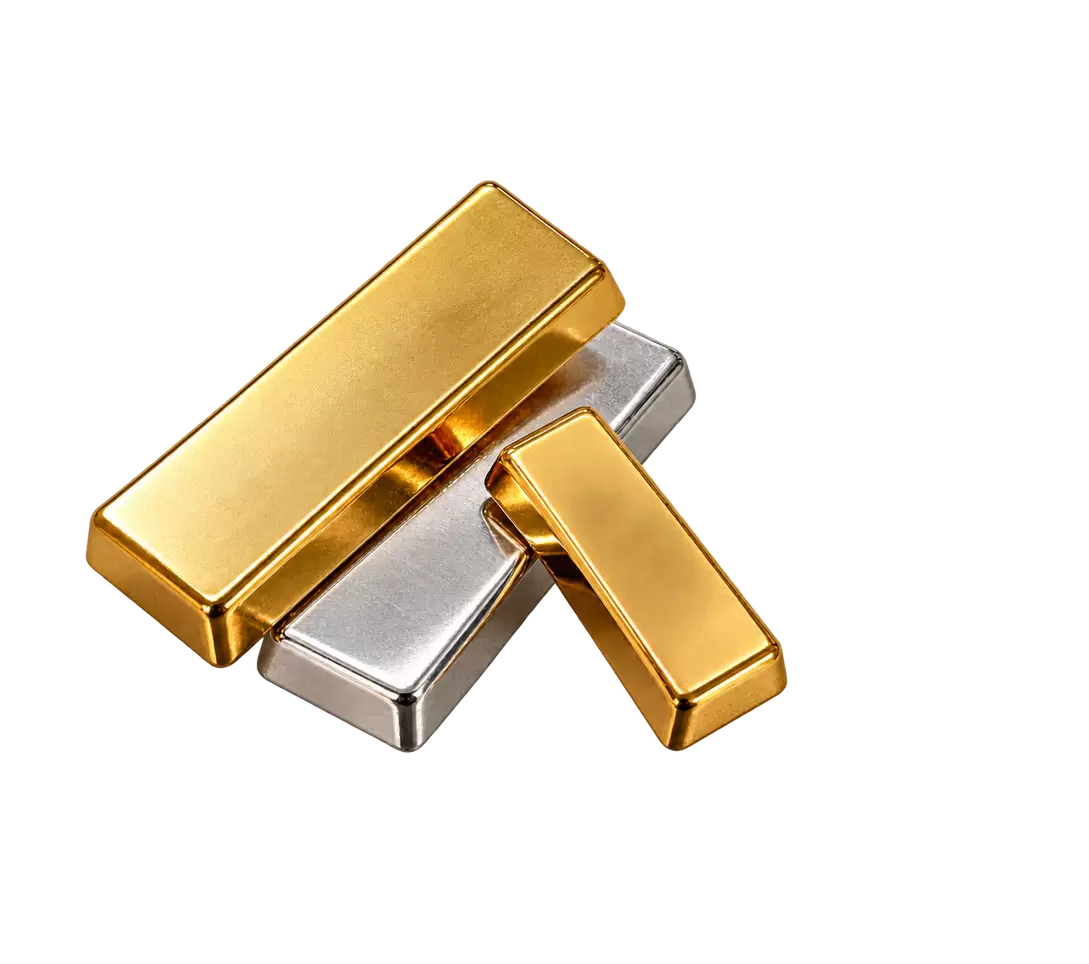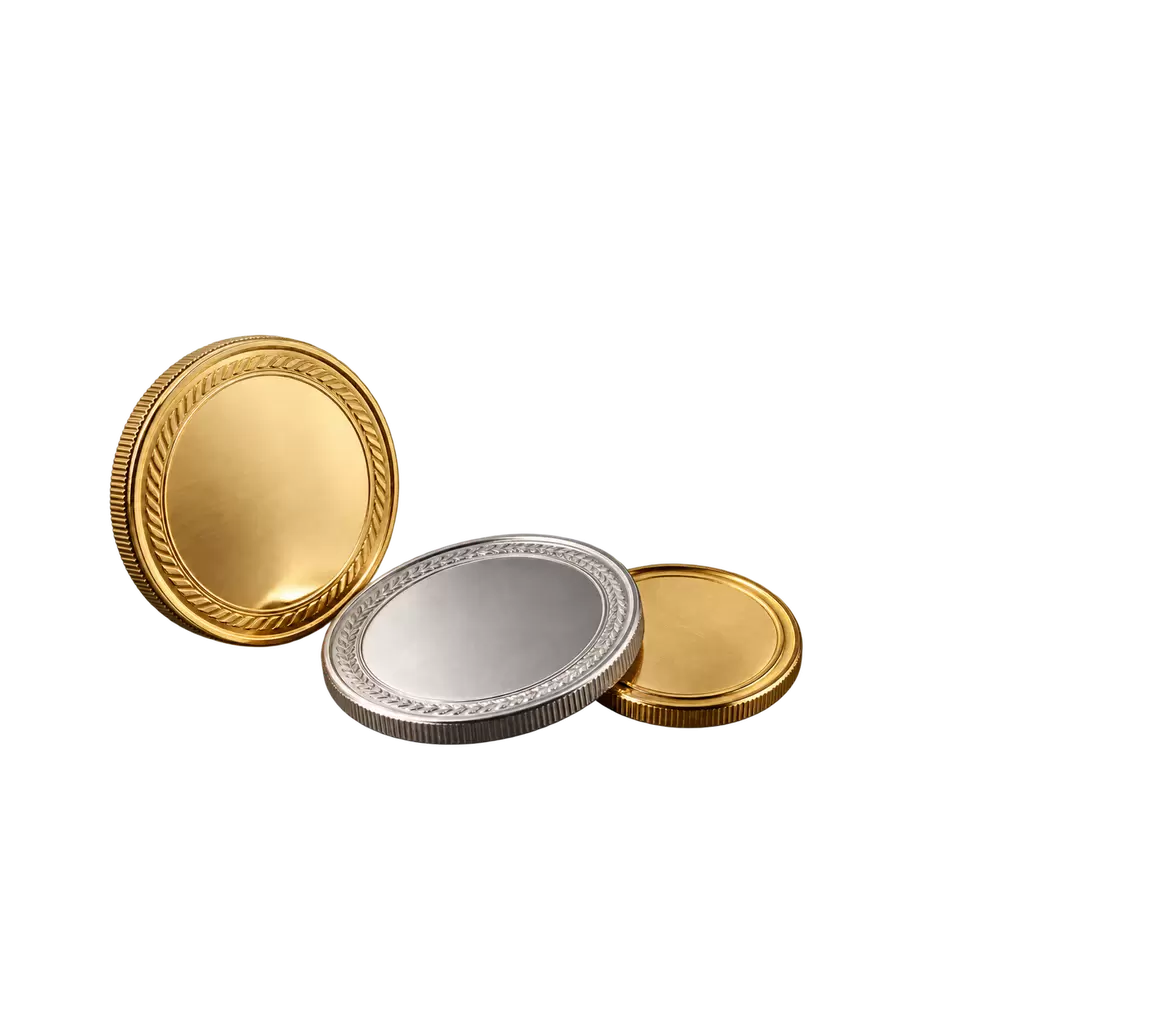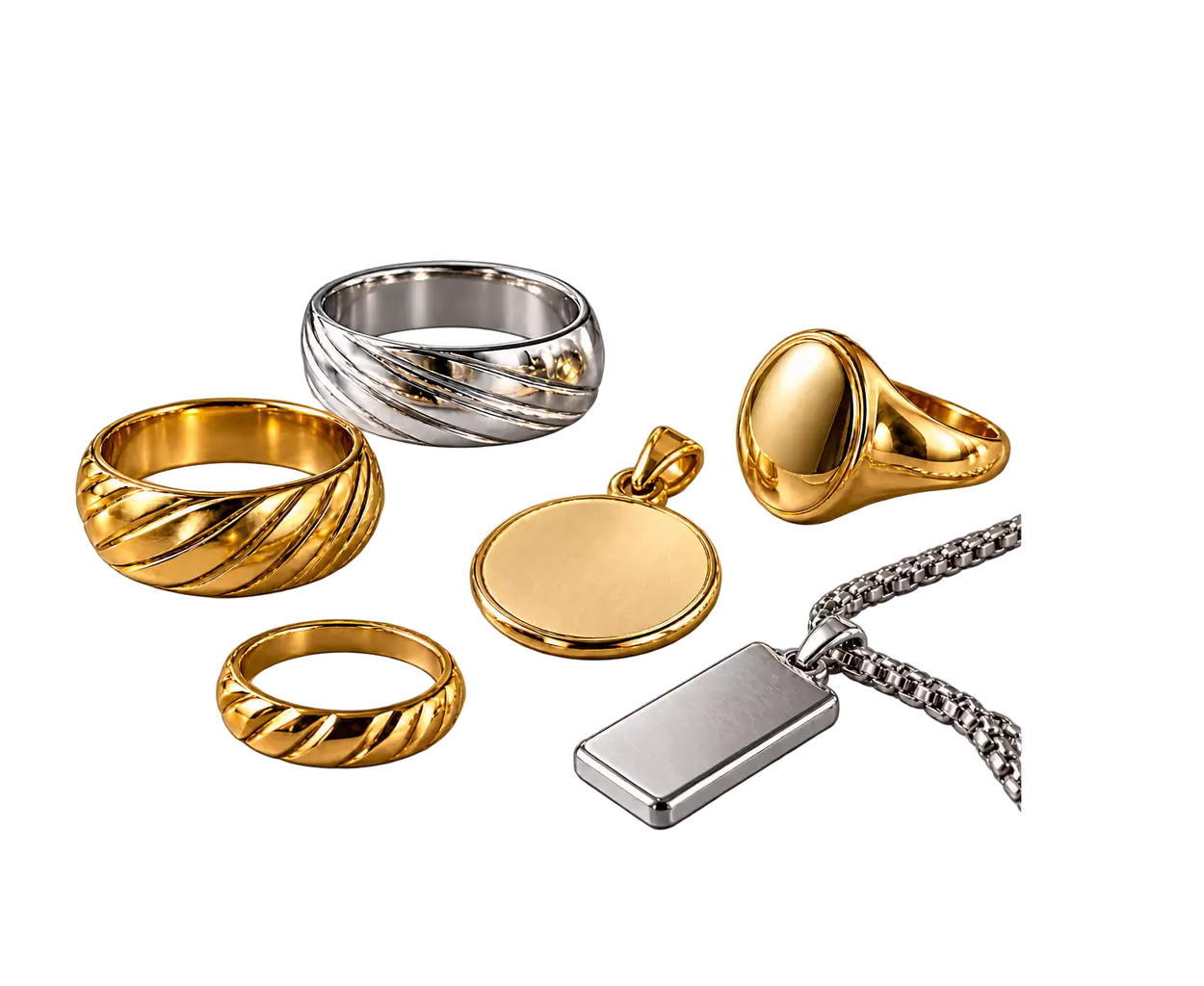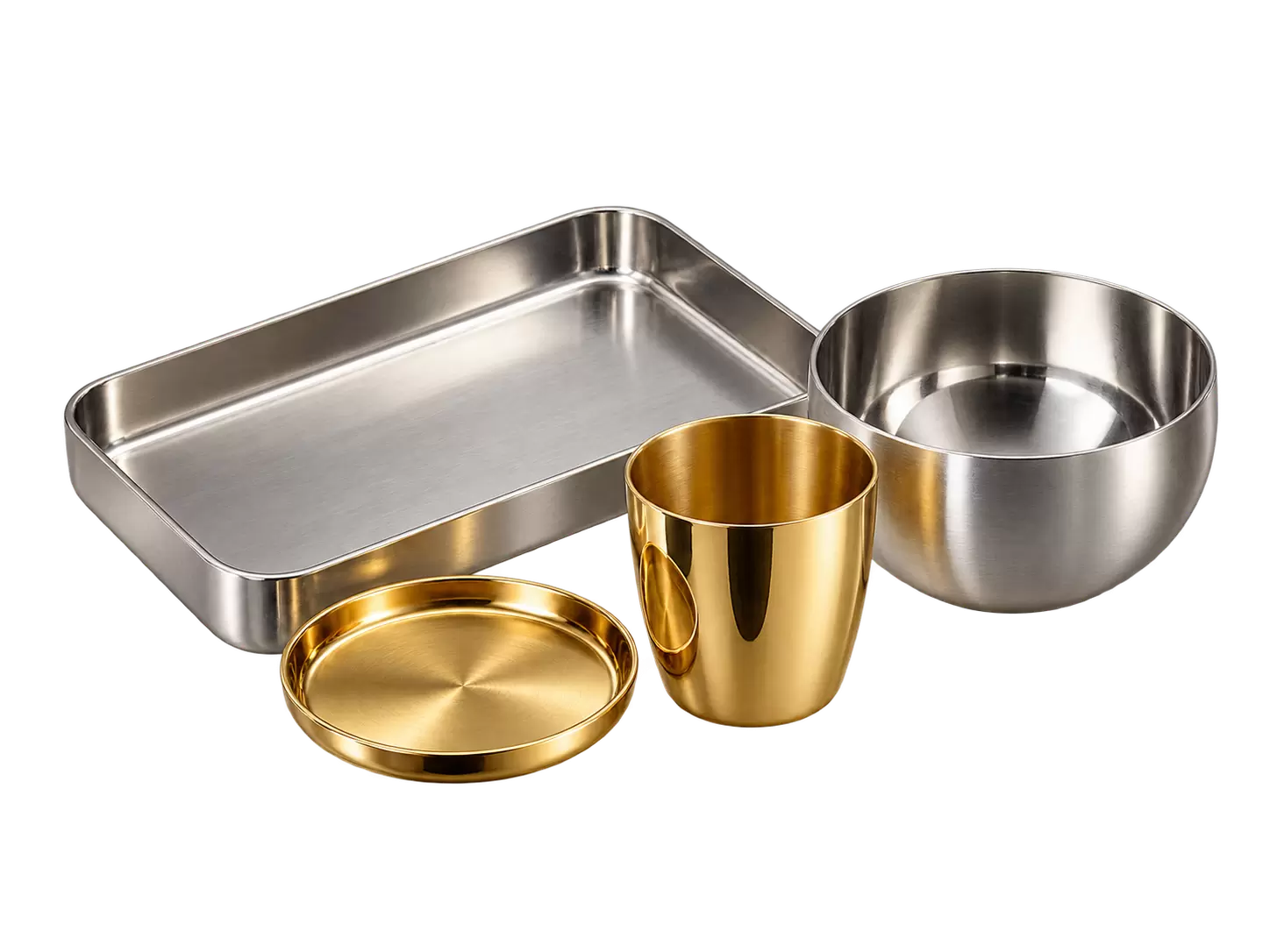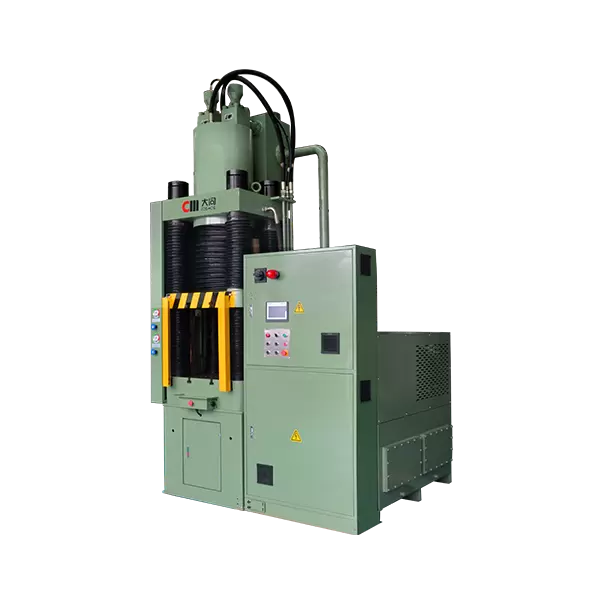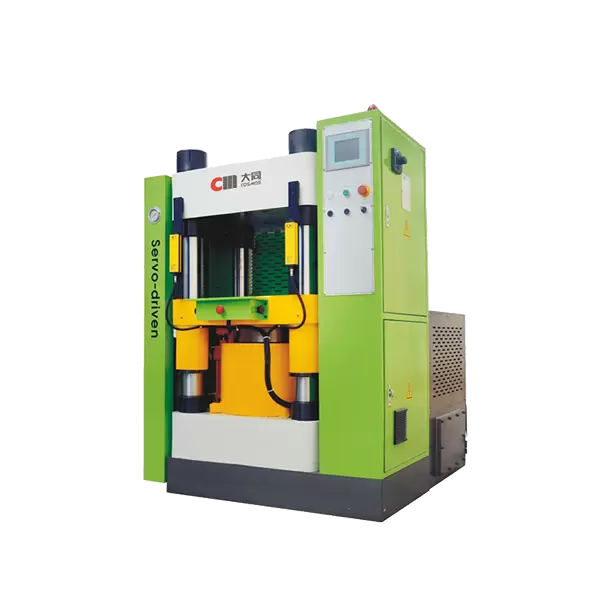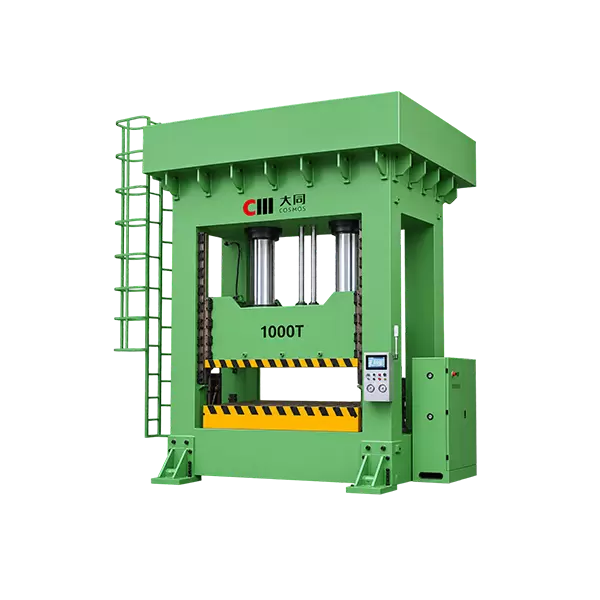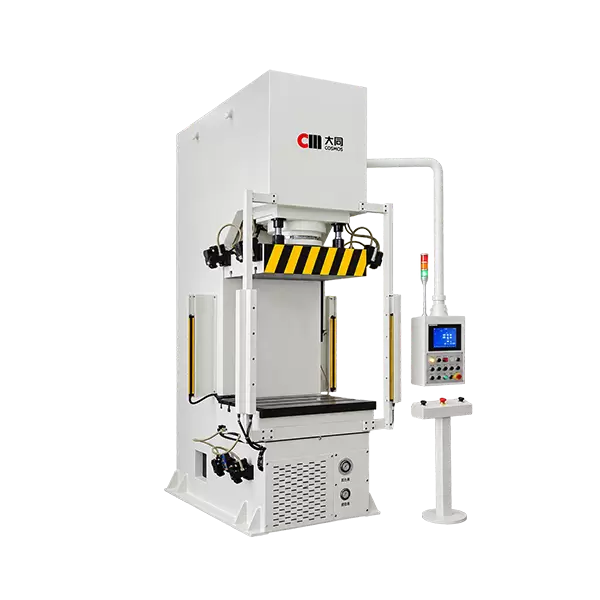

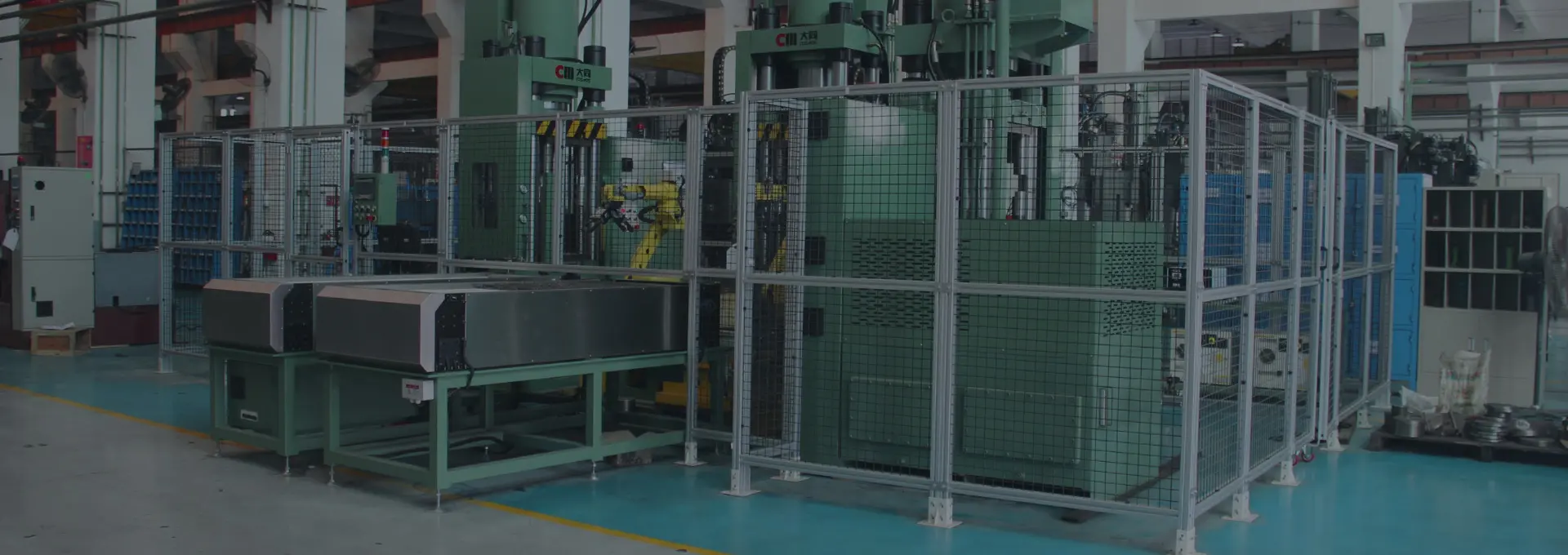
When the material itself carries high value, poor impressions, surface damage and unnecessary rework become costly. COSMOS PRESS configures hydraulic presses for minted gold and silver bars, medals, coins, jewelry components and other precious-metal products. Press force, motion and tooling setup are matched to the blank, die, relief depth and required surface finish for clear details and repeatable forming.
Precious-metal blanks leave little room for unnecessary scrap or rework. Controlled force and motion help reduce avoidable deformation and surface damage during pressing.
Minted bars, medals, coins and jewelry pieces often contain fine lettering, logos, patterns and relief details. Controlled pressure, position and dwell help reproduce these features more consistently.
Variations in force, stroke or process settings can affect relief depth and edge definition. Repeatable press settings help maintain a consistent appearance when the same design is produced across multiple batches.
More force does not always produce a better impression. Matching the forming force to the material, blank thickness and die helps avoid unnecessary loading on valuable tooling.
Precious-metal products vary in size, thickness, geometry and relief. Press force, stroke, speed and tooling setup can be configured around different products and die requirements.
For precious-metal products, the quality of the pressing process is visible directly on the finished piece. Blank material, thickness, die design, relief depth, forming force, speed and dwell all influence how clearly details are reproduced and how the final surface appears. Too little force may leave incomplete details, while unnecessary force can increase tool loading or distort the part. Before selecting the hydraulic press, COSMOS PRESS reviews the product drawing, blank, material and die requirements. We then define the press force, stroke, motion control and tooling setup around the required finished result.
· Suitable for cold forging, warm forging, metal extrusion, embossing, shallow drawing and blanking.
· Repeatability of ±0.01 mm helps reduce variation and material waste caused by press positioning errors.
· The servo-driven hydraulic system can reduce energy consumption by 20–50% compared with conventional hydraulic presses.

· Four-column, single-action up-stroke configuration for controlled forming from the bottom upward.
· Servo hydraulic control supports accurate pressure and motion regulation with lower noise and improved energy efficiency.
· A human-machine interface simplifies parameter setting, process adjustment and function storage.

· Available with an integral or split-frame structure to accommodate different machine sizes and installation requirements.
· Four-corner, eight-face guiding provides rigid support and stable movement under demanding forming loads.
· Servo hydraulic control supports repeatable motion, lower operating noise and improved energy efficiency.

· A booster-cylinder design supports faster approach and return strokes, helping reduce non-pressing time.
· Linear-scale position monitoring allows the approach and pressing strokes to be set according to the workpiece and process.
· Pressing pressure can be adjusted to suit different production requirements.