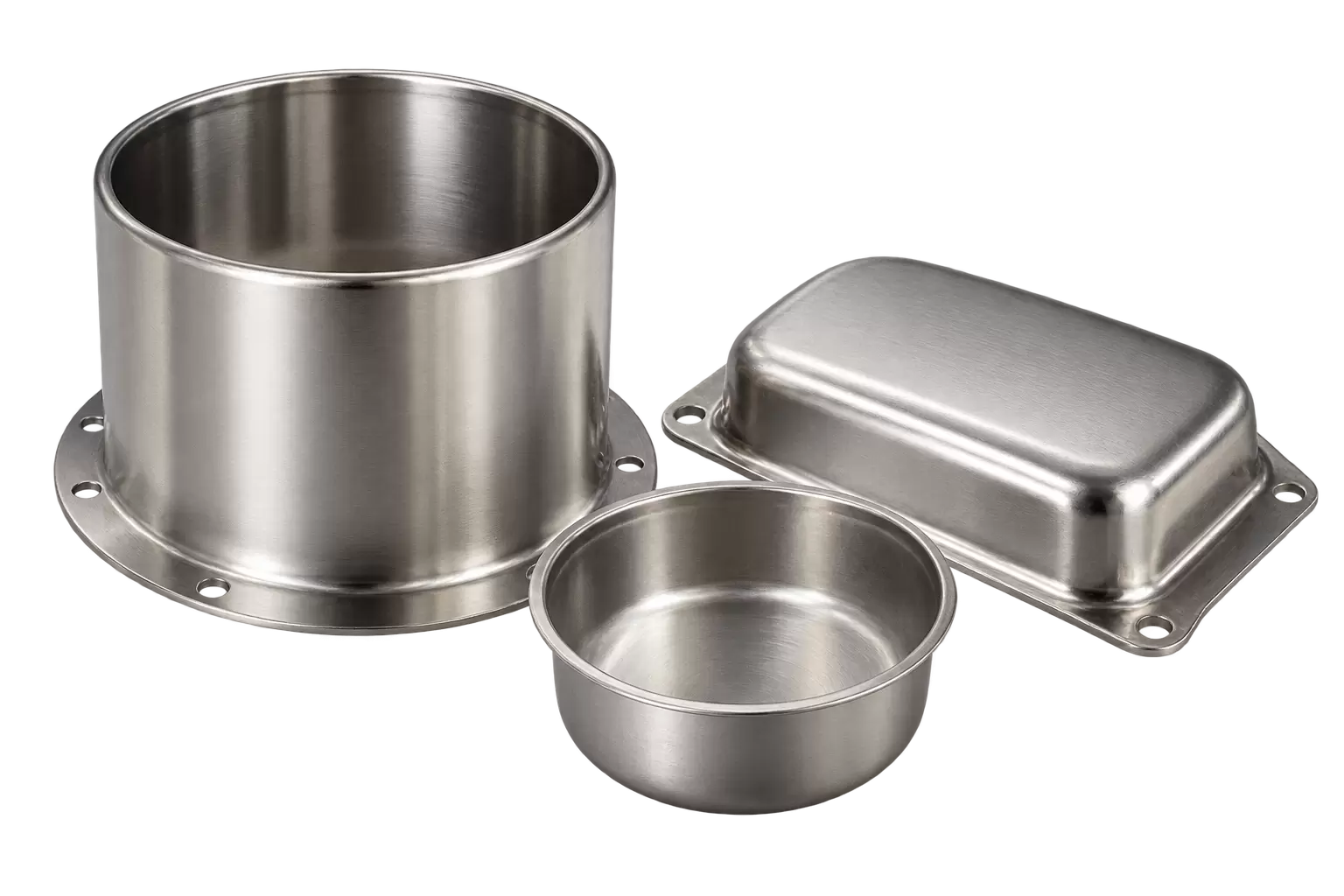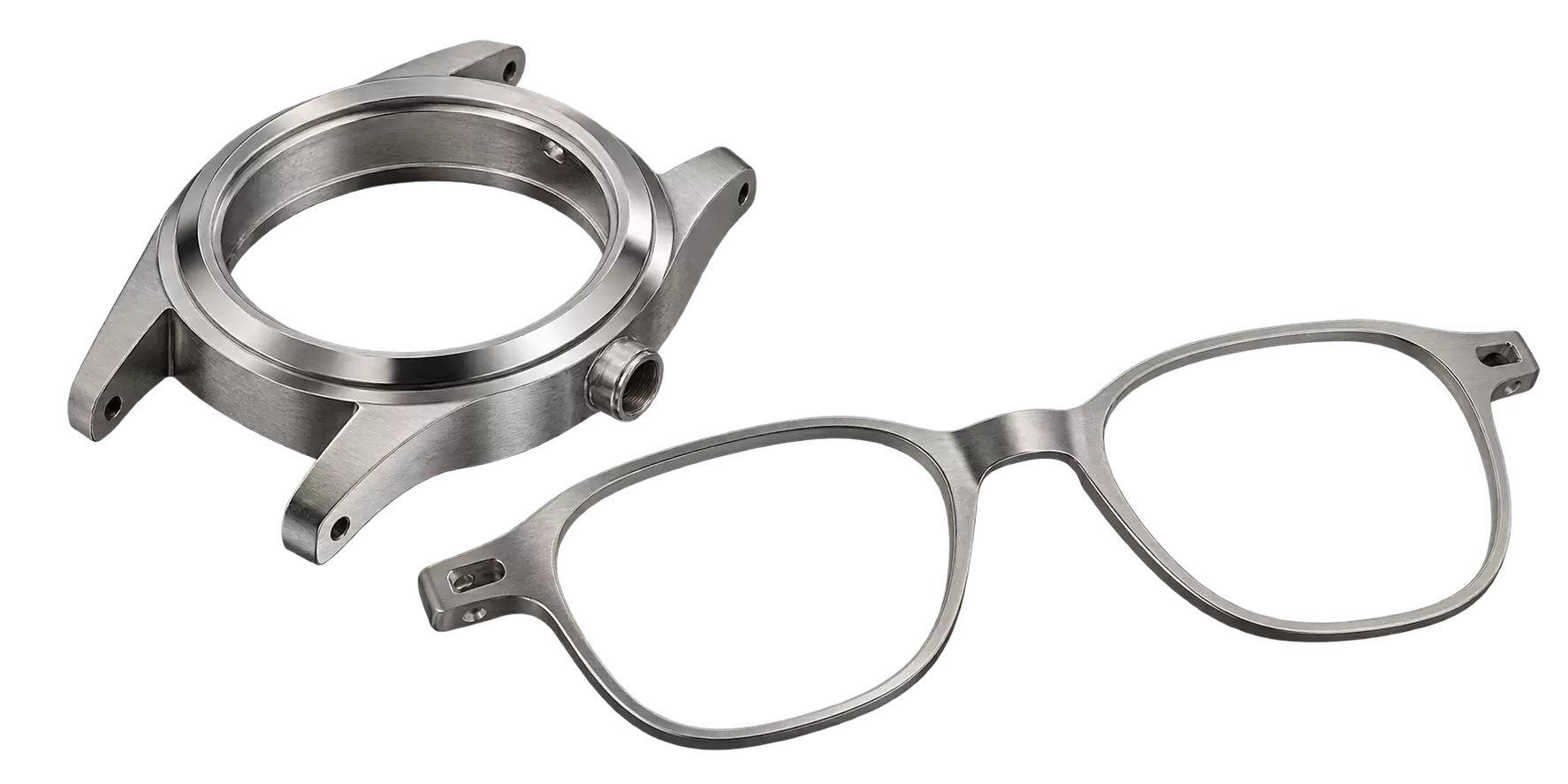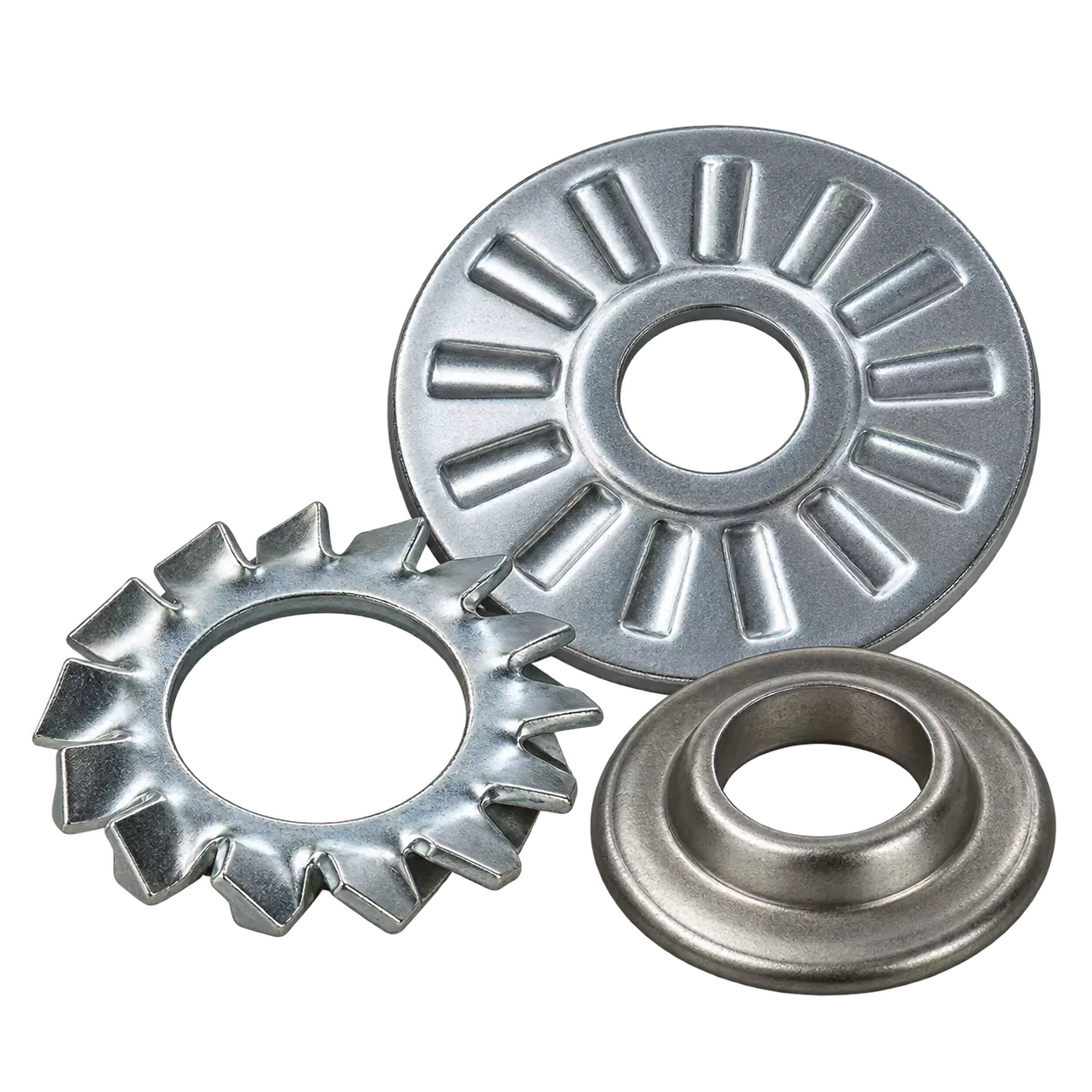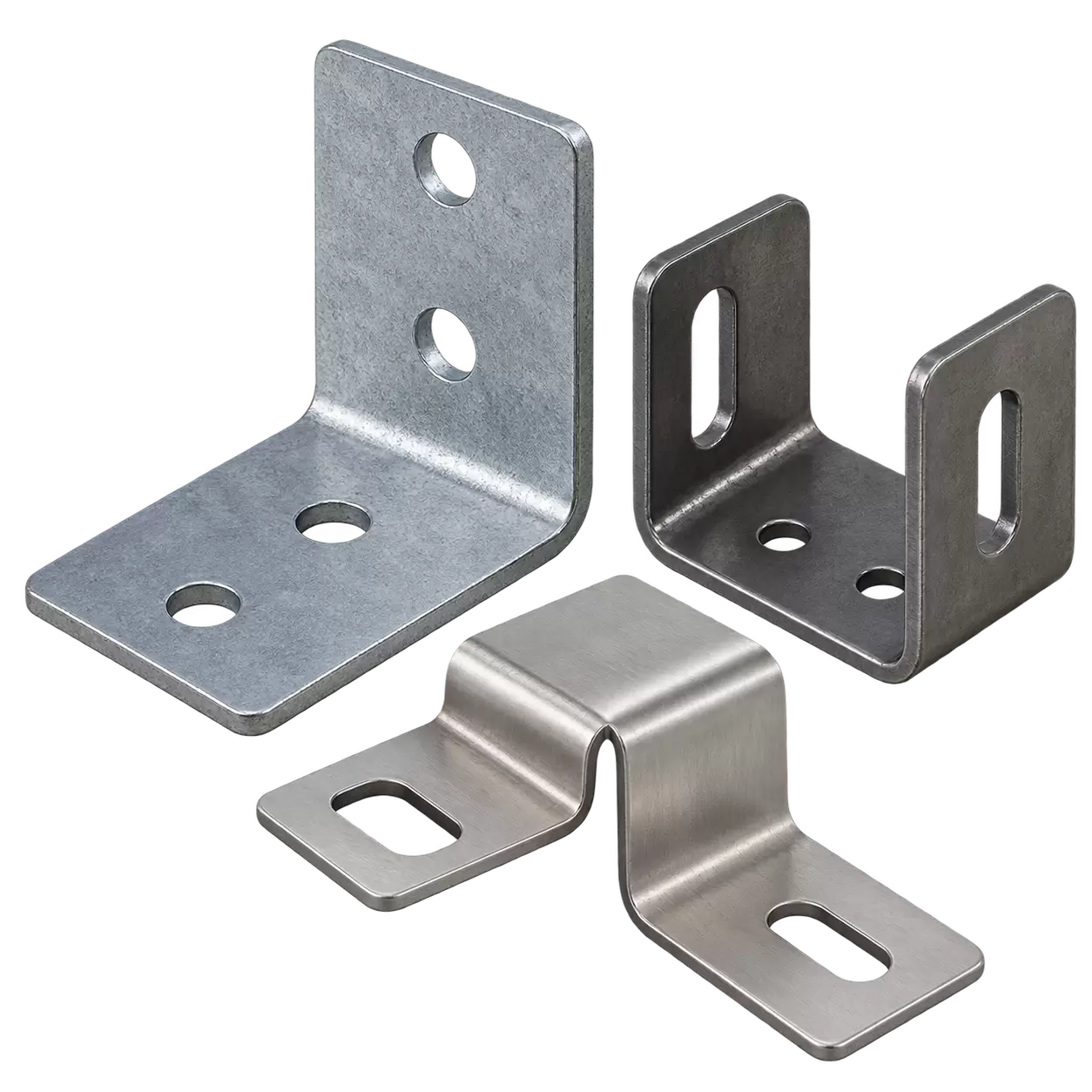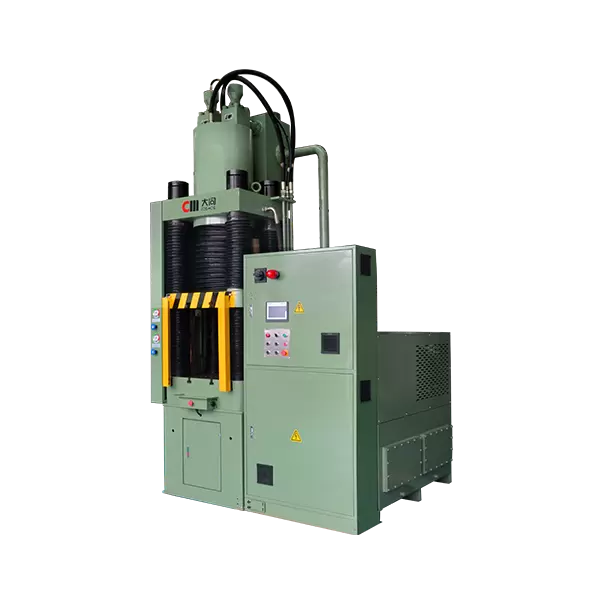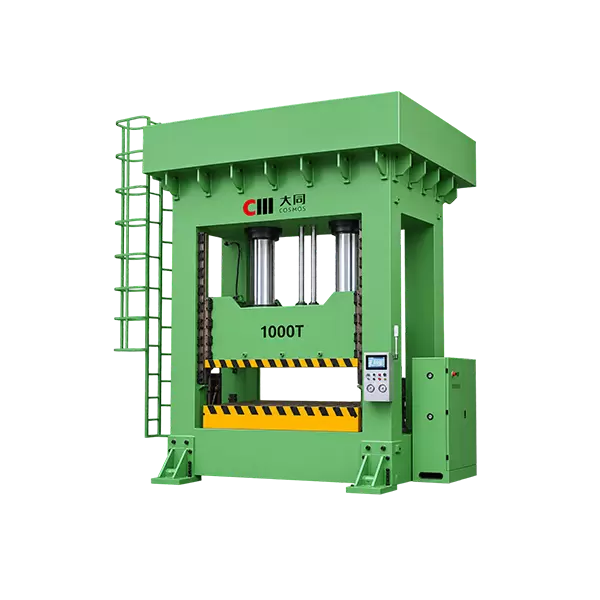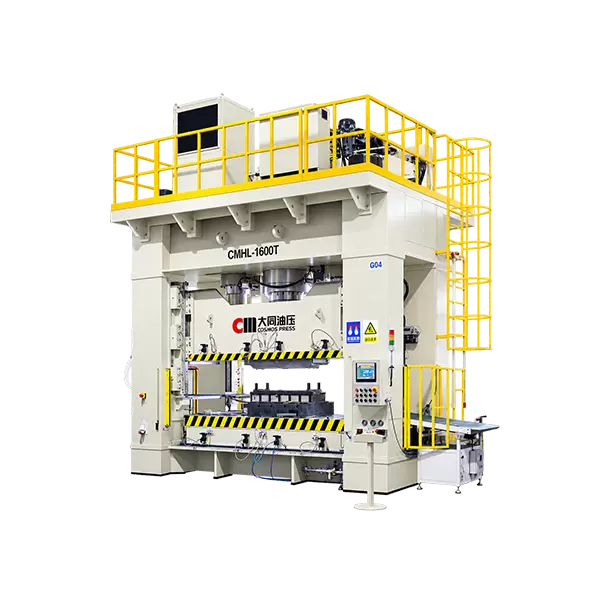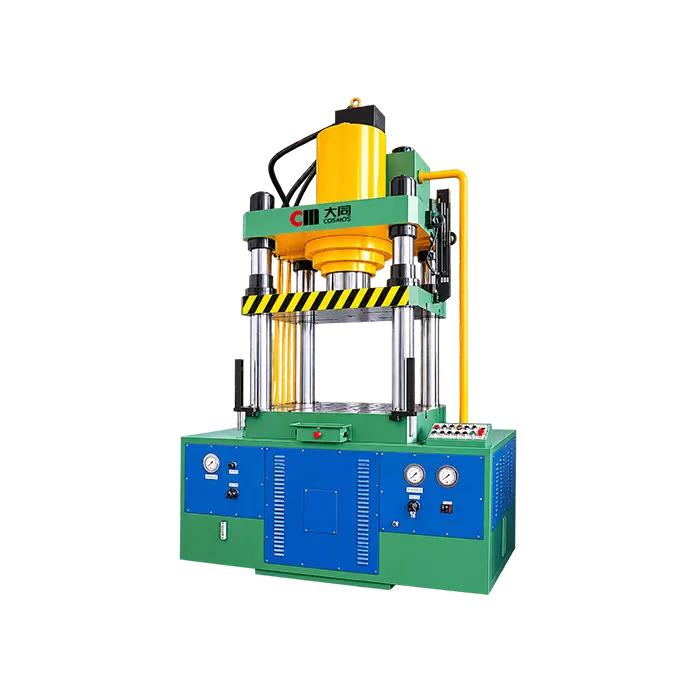

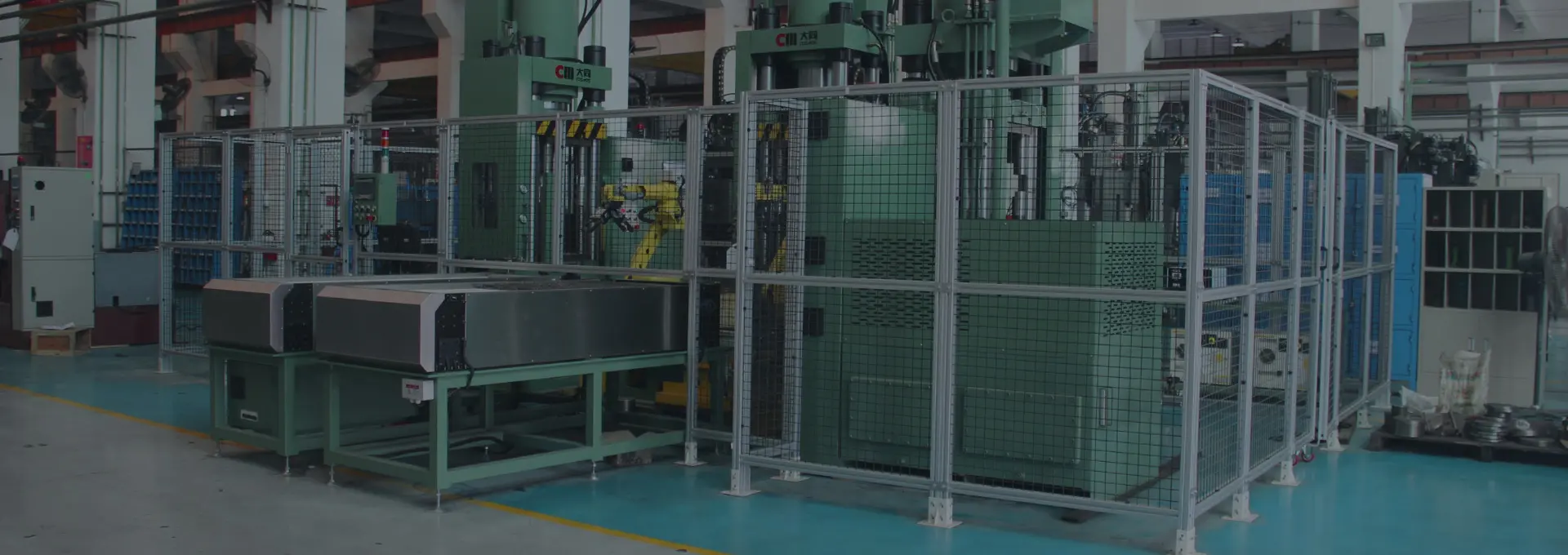
Wrinkles, tearing, uneven thickness, poor surface finish and unstable dimensions are often signs that material flow is not being properly controlled during forming. COSMOS PRESS configures hydraulic presses around the material, part geometry, tooling and forming sequence, so force, speed, stroke and—where required—blank holding work together for a more stable forming result.
Pressure, speed, position and dwell can be adjusted through different stages of the forming cycle to match the material and part geometry.
Controlled forming force and, where required, blank holding help reduce wrinkles, tearing and excessive thinning during drawing and forming.
Asymmetric parts and off-center tooling can create uneven loads on the slide. Rigid frame construction and precise guidance help maintain stable movement during forming.
More force is not always better. Matching the forming force to the material, part and tooling helps avoid unnecessary tool loading, deformation and energy use.
Stroke, daylight, working area and press structure are selected around the tooling and part—not by tonnage alone. The press must provide enough space and motion for forming, tool operation and finished-part removal.
Tonnage alone does not determine a good forming result. Material type and thickness, blank size, draw depth, part geometry, corner radius, tooling and forming speed all affect how the metal flows during the process. Poor control can lead to wrinkles, tearing, uneven thickness, surface defects or unnecessary tool wear. Before selecting the hydraulic press, COSMOS PRESS reviews the part drawing, material, tooling, forming steps and required finished-part quality. From there, we define the press structure, force, stroke, daylight, speed and control method around the actual forming process.
· Suitable for cold forging, warm forging, metal extrusion, embossing, shallow drawing and blanking.
· Repeatability of ±0.01 mm helps reduce variation and material waste caused by press positioning errors.
· The servo-driven hydraulic system can reduce energy consumption by 20–50% compared with conventional hydraulic presses.

· Available with an integral or split-frame structure to accommodate different machine sizes and installation requirements.
· Four-corner, eight-face guiding provides rigid support and stable movement under demanding forming loads.
· Servo hydraulic control supports repeatable motion, lower operating noise and improved energy efficiency.

· The FEA-optimized welded frame and eight-face guide system provide rigid structural support and stable slide movement.
· Strong resistance to lateral forces helps reduce deformation during asymmetric or off-center forming.
· Double-action servo hydraulic control supports coordinated forming and blank-holding operations.

· Independent main and blank-holding actions support drawing and forming processes involving different force and motion requirements.
· The four-column layout provides an open working area suitable for tooling access and automation integration.
· Adjustable process parameters support the forming of different component shapes and materials.