 EN
EN EN
EN CN
CN








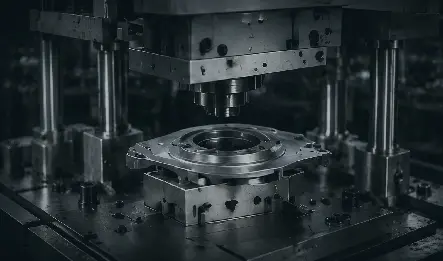
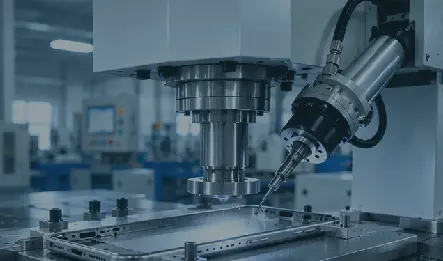
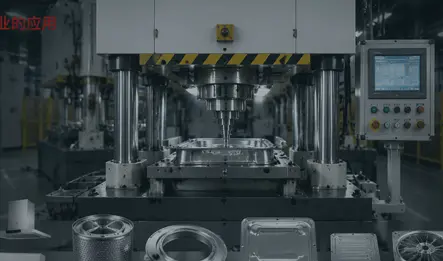
1Start with Your Workpiece and Process
Before comparing machines, define what the hydraulic press needs to produce:
- Workpiece drawing and dimensions
- Material and forming process
- Tool or mold dimensions
- Required force or existing machine reference
- Target cycle time and production output
- Accuracy and pressure-holding requirements
- Loading, unloading and automation needs
- Factory space and power conditions
Send the available drawing, product photo, sample or current machine information. Our engineers will identify the remaining data needed for a reliable press recommendation.


Auto Parts
Brake Pads
Backing Plates
Other Auto PartsView more >>
Auto Parts


Metal Forming
Metal Cases
Watch Cases
Mobile Phone HousingsView more >>
Metal Forming


Home Appliances
Refrigerator Liners
Water-Heater Components
Gas-Cooker HousingsView more >>
Home Appliances


Precious Metals
Gold Products
Silver Products
Other ProductsView more >>
Precious Metals
Application information helps determine the machine structure, working parameters and control requirements.
2Standard or Custom Hydraulic Press?
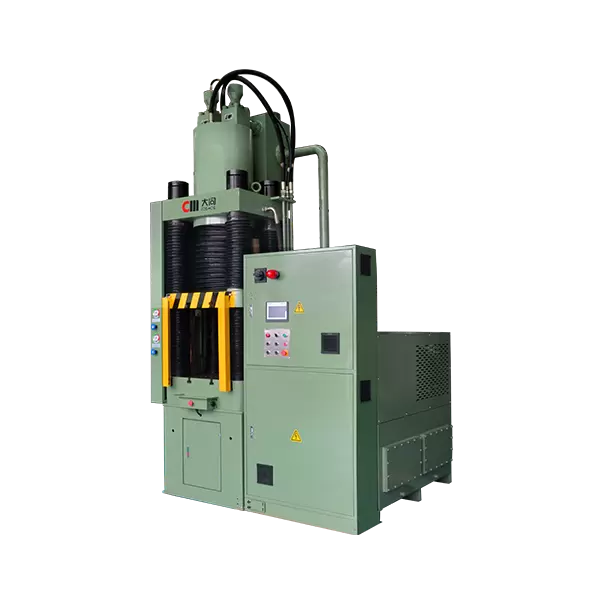
A standard model may be suitable when an established press structure, motion and control system already meet your production requirements.
A custom hydraulic press should be considered when the workpiece, tooling, motion sequence, pressure control, heating, automation or factory layout requires a dedicated configuration.
We compare both paths and recommend the least complex solution that can reliably meet current production requirements while allowing for reasonable future needs.
3Which Hydraulic Press Configuration Do You Need?
The right configuration is a combination of press structure, motion, control and material handling—not a model name alone.
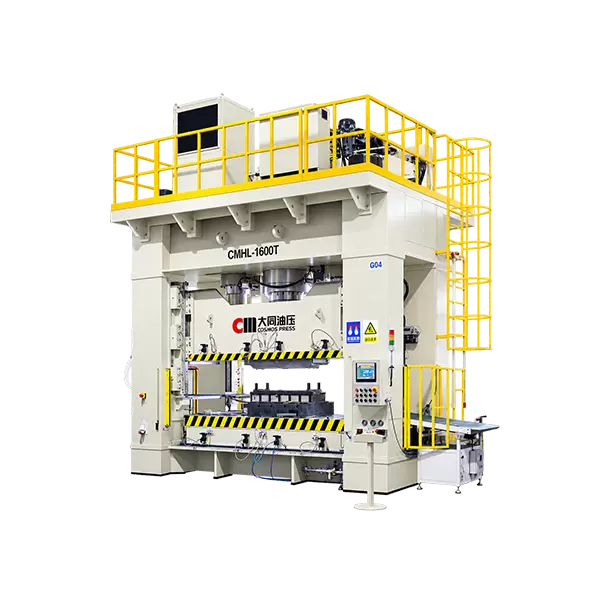
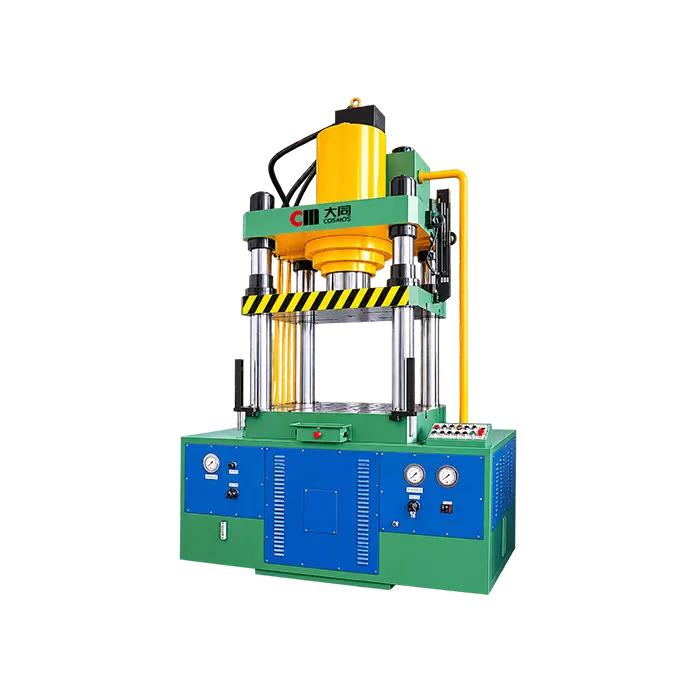
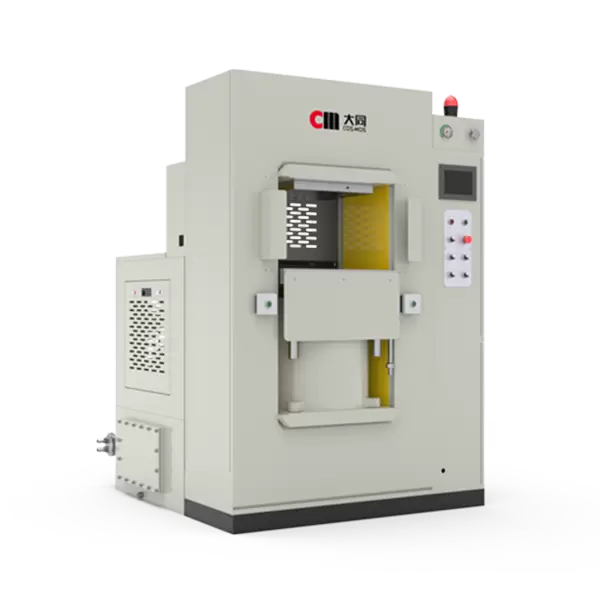
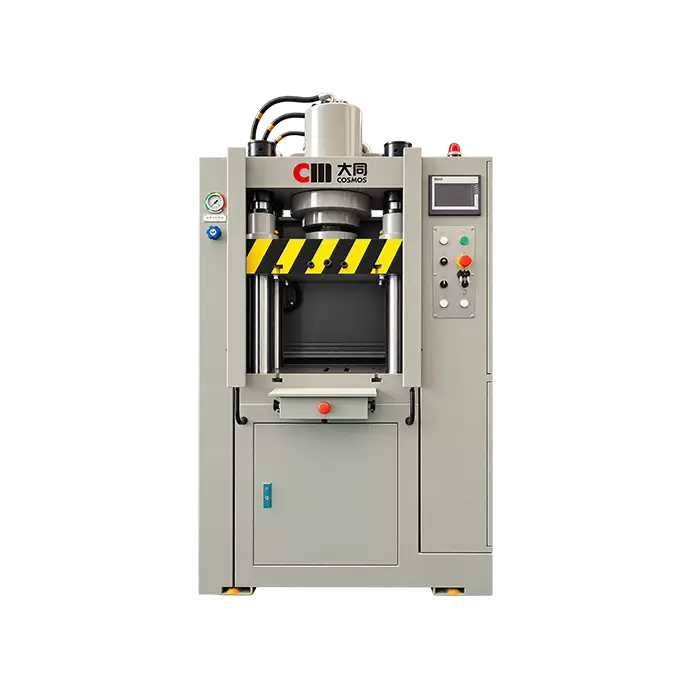
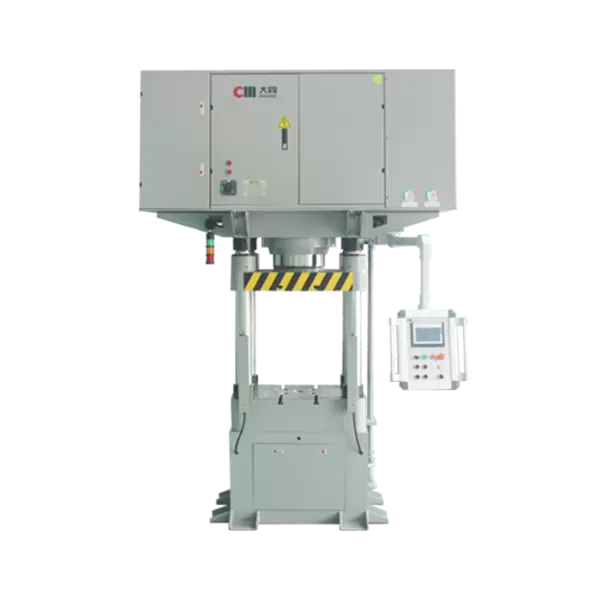
Four-Column Hydraulic Press
Provides flexible working access and supports a wide range of forming and molding applications.
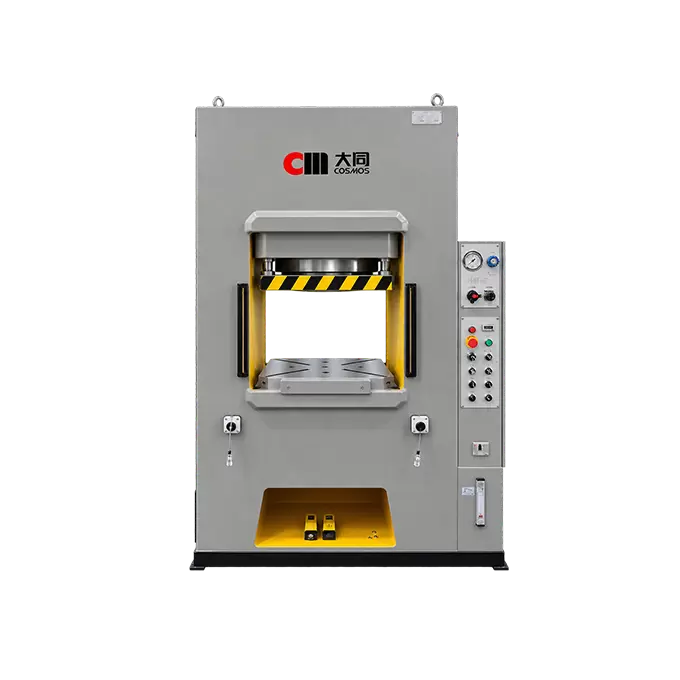
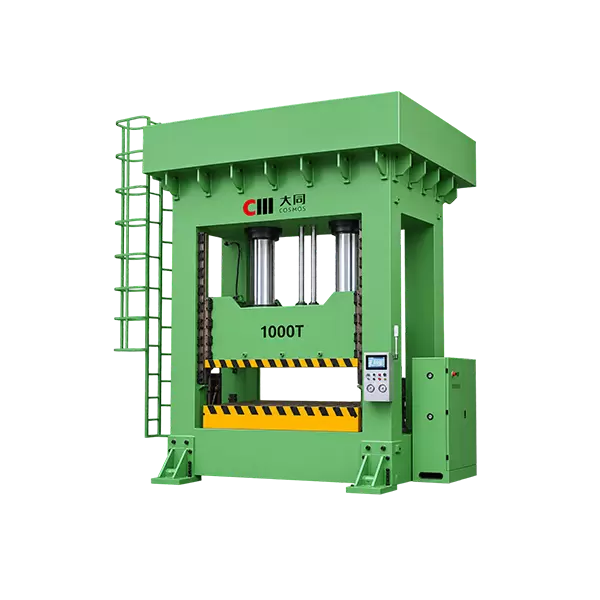
Frame-Type Hydraulic Press
Offers a rigid structure and guided movement for demanding precision-forming requirements.
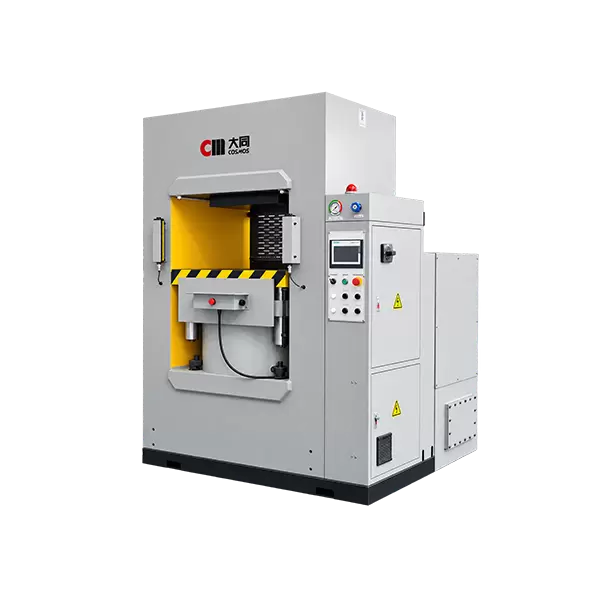
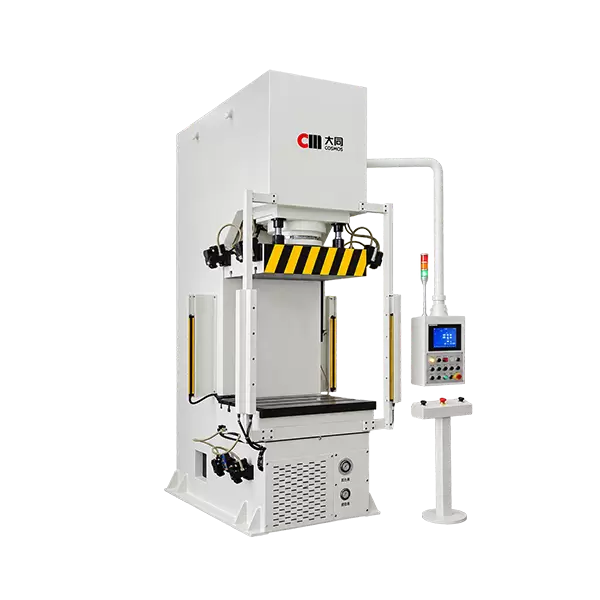
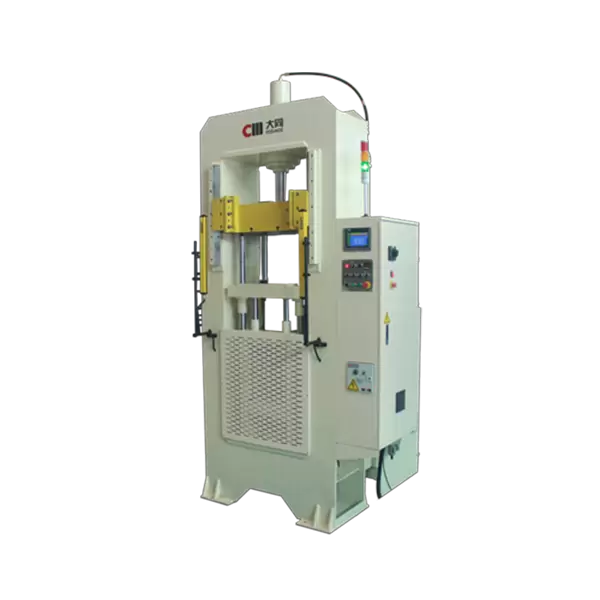
C-Frame Hydraulic Press
Provides open working access and a compact layout for convenient loading, tooling and operation.
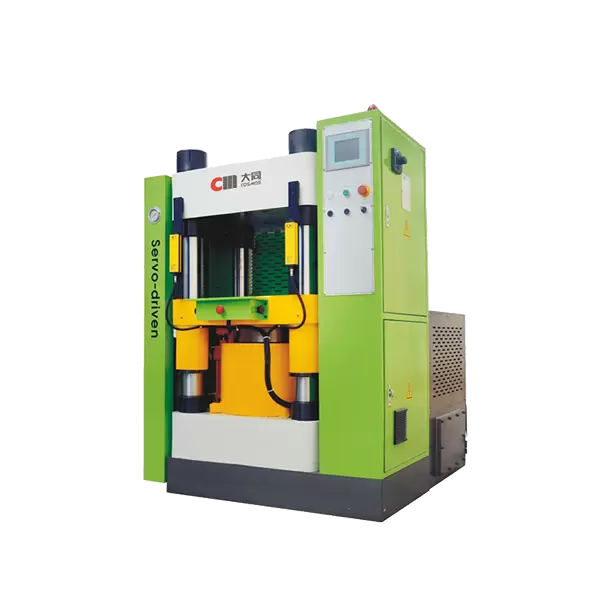
Servo Hydraulic Press
Supports programmable pressure, position and speed control for stable, repeatable production.
Double-Action Hydraulic Press
Uses coordinated main and auxiliary motions for drawing and other complex forming processes.
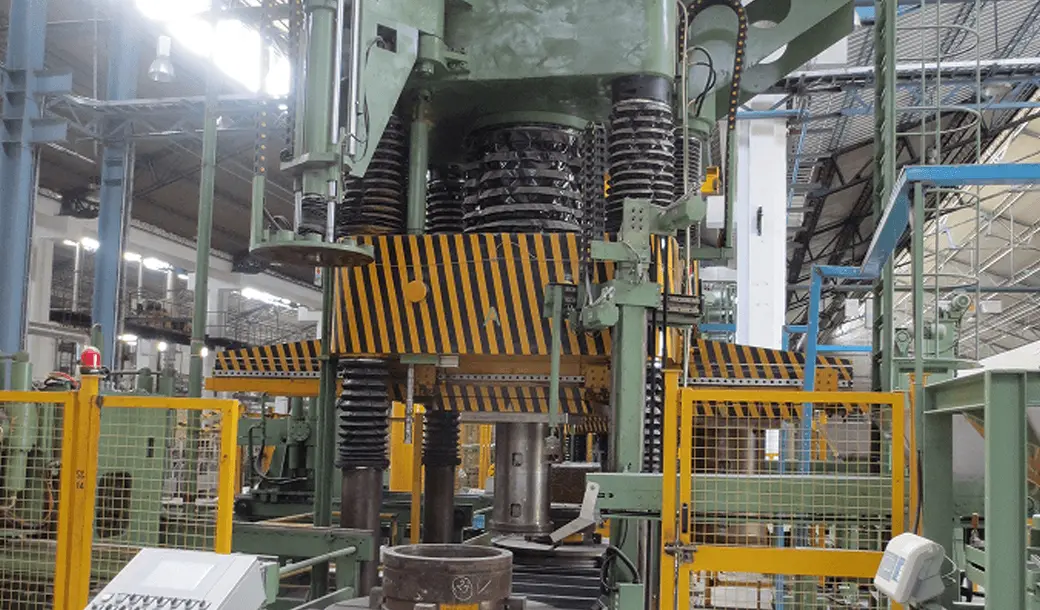
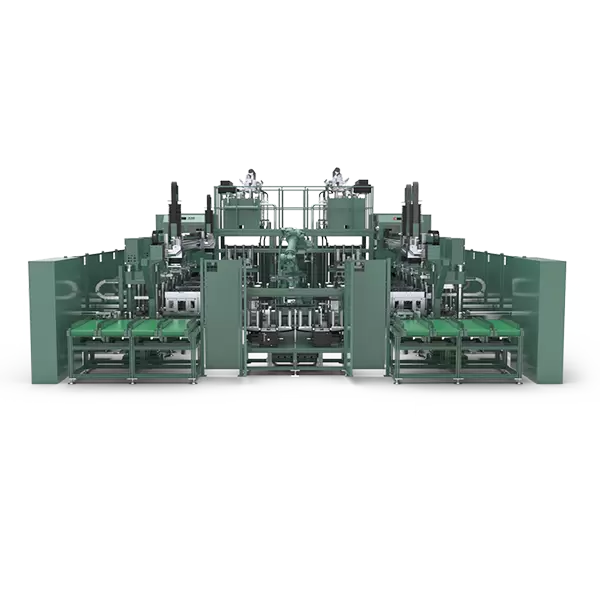
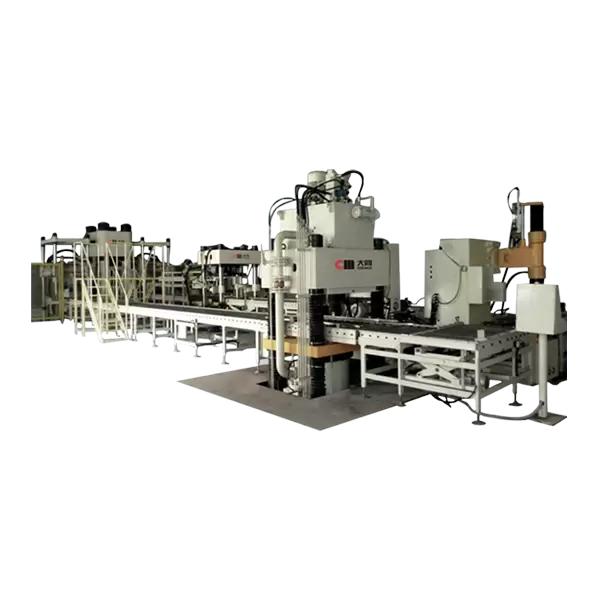
Automated Hydraulic Press Line
Integrates material handling and process control for higher production consistency and reduced manual handling.
The final configuration should be selected according to the workpiece, tooling, load conditions and production method.
4Compare More Than Tonnage
Tonnage alone does not determine whether a hydraulic press is suitable. Buyers should also compare:
- Stroke and open height
- Working table and bolster size
- Frame rigidity and guiding structure
- Pressure and position repeatability
- Approaching, pressing and return speeds
- Pressure-holding and release control
- Ejecting and auxiliary motions
- Heating or cooling requirements
- Automation and material handling
- Power supply, floor space and safety requirements
Require defined values, test conditions and acceptance methods—not only claims such as “high precision” or “energy saving.” For example, the CMSe-30S configuration can achieve ±0.01 mm position repeatability and 30–50% energy savings compared with conventional hydraulic systems. Actual results depend on the selected configuration and process.
5Evaluate the Supplier and Total Cost of Ownership
A lower purchase price does not always mean a lower production cost. Consider the complete cost and risk over the machine’s operating life:
- Experience with similar applications
- Engineering and manufacturing capabilities
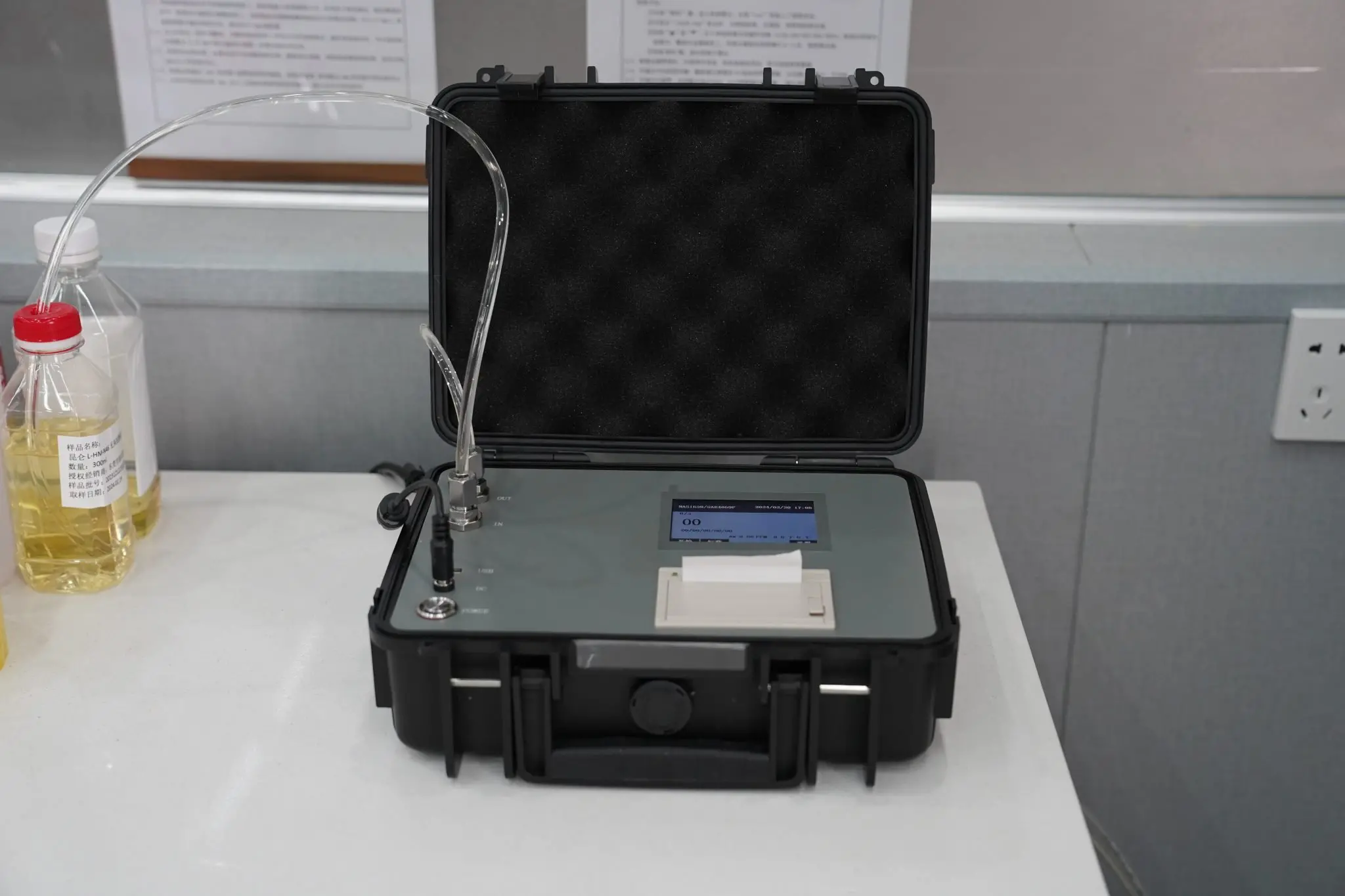
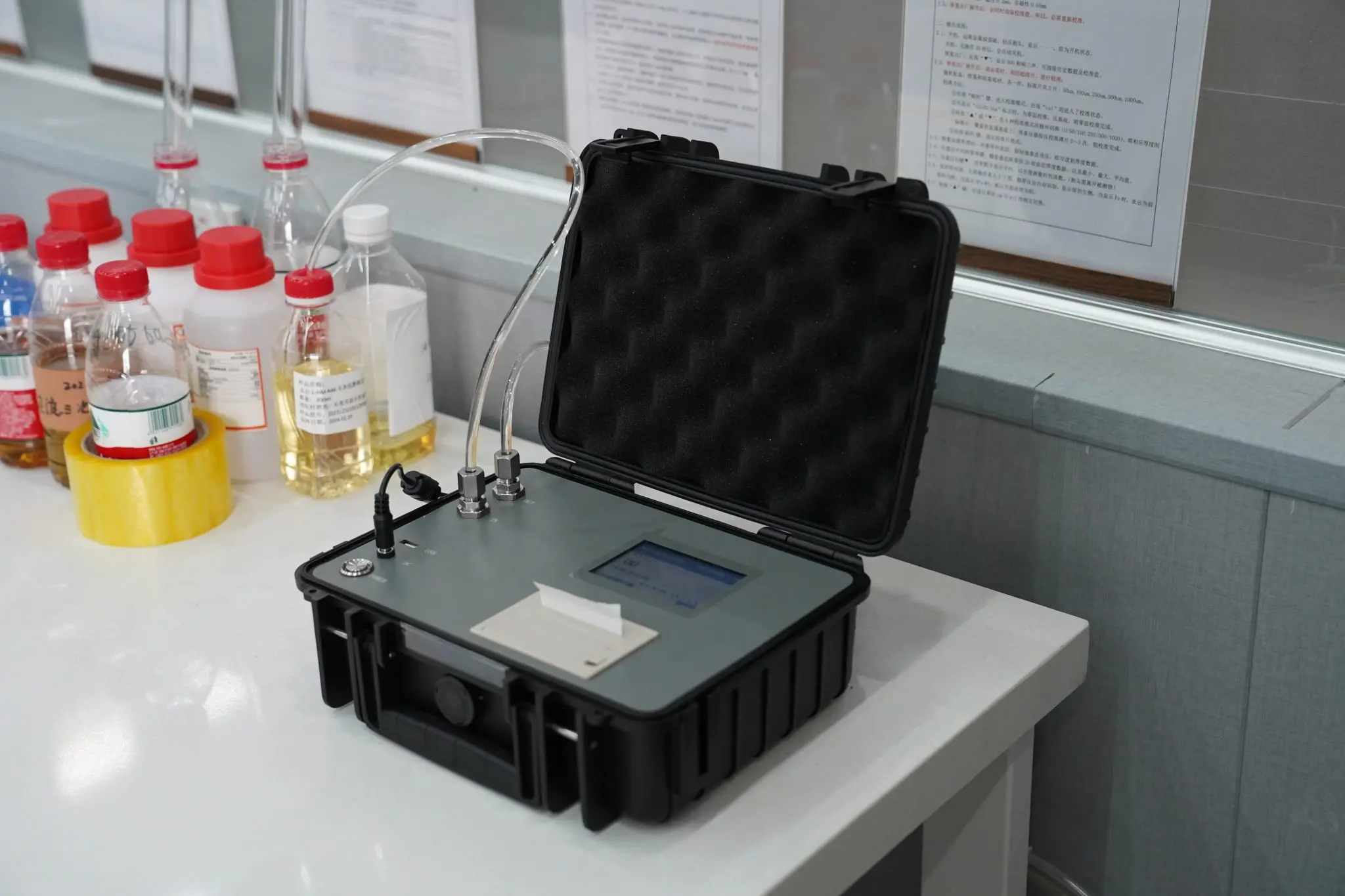
- Quality inspection and machine testing
- Energy consumption and labor requirements
- Cycle time, changeover time and expected output
- Maintenance access and spare-parts availability
- Installation, training and technical documentation
- After-sales response and long-term support
- Factory acceptance criteria and destination-market requirements
Ask the supplier to clearly define the machine scope, performance criteria, testing process and responsibilities before placing an order.
Backed by Hong Kong-listed Cosmos Machinery Enterprises Limited, Cosmos Press has focused on hydraulic press engineering since 1979.
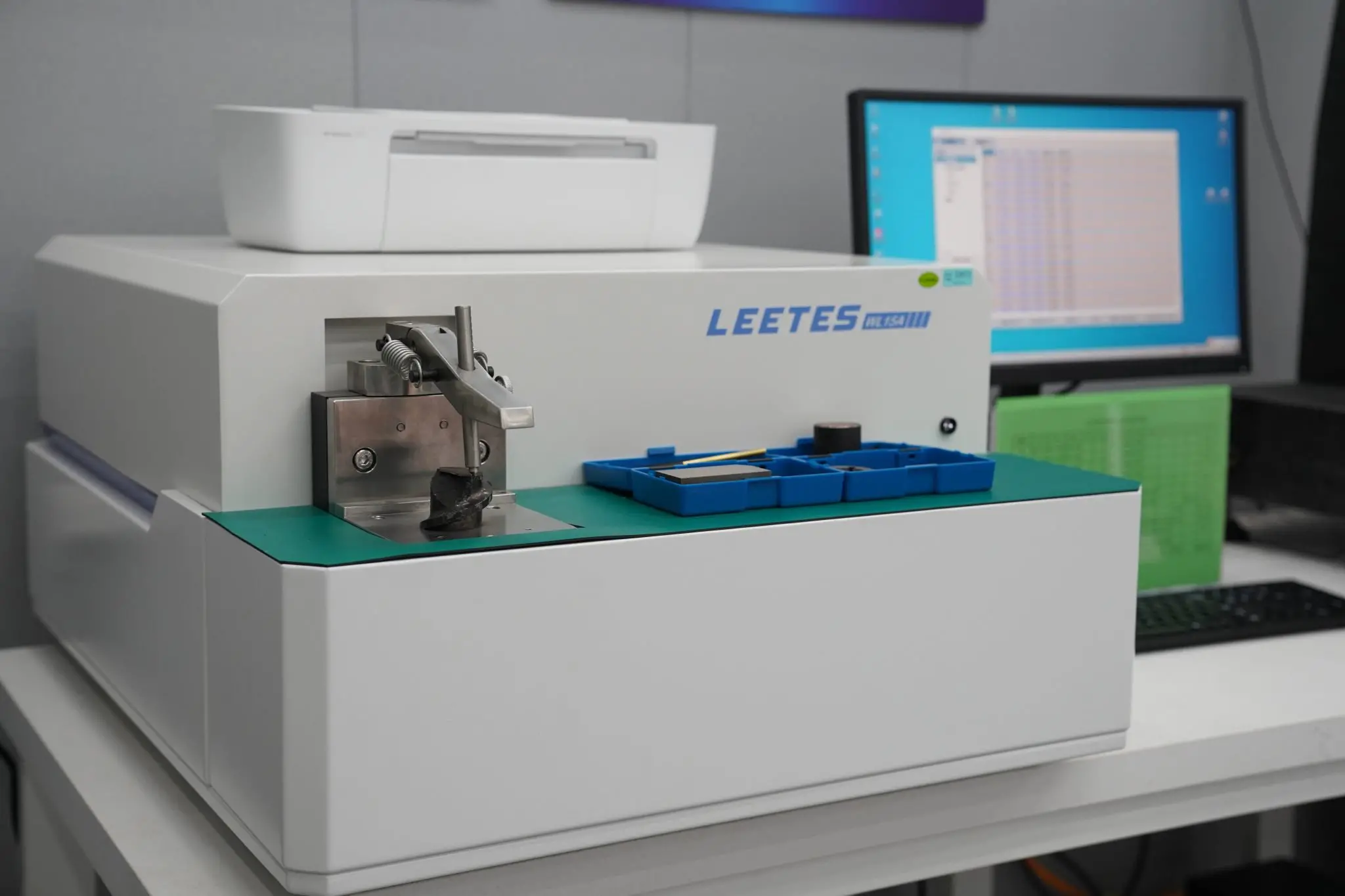
- Material Composition Analysis
Quality inspection and documented acceptance criteria help reduce technical and delivery risk.
6What Should You Include in Your RFQ?
For a more accurate hydraulic press recommendation and quotation, provide:
- Workpiece drawing or product photo
- Material and forming process
- Tool or mold information
- Required force or current machine data
- Target output or cycle time
- Required accuracy and process controls
- Automation requirements
- Available factory space and power supply
- Installation country and applicable standards
Need Help Selecting a Hydraulic Press?
Send the information you already have. Our technical team will identify missing parameters and provide a preliminary press direction, clarification list and technical scope for quotation.