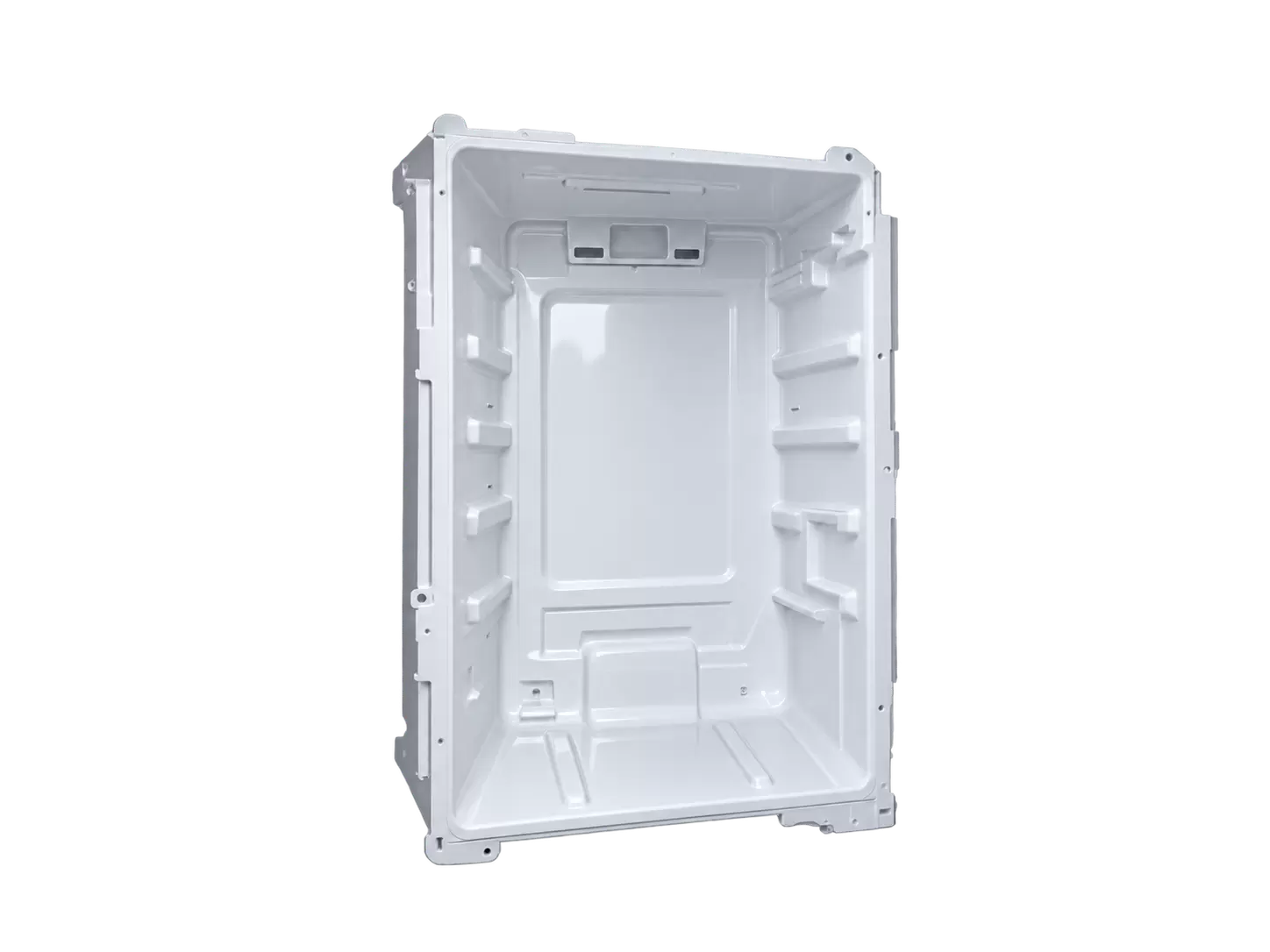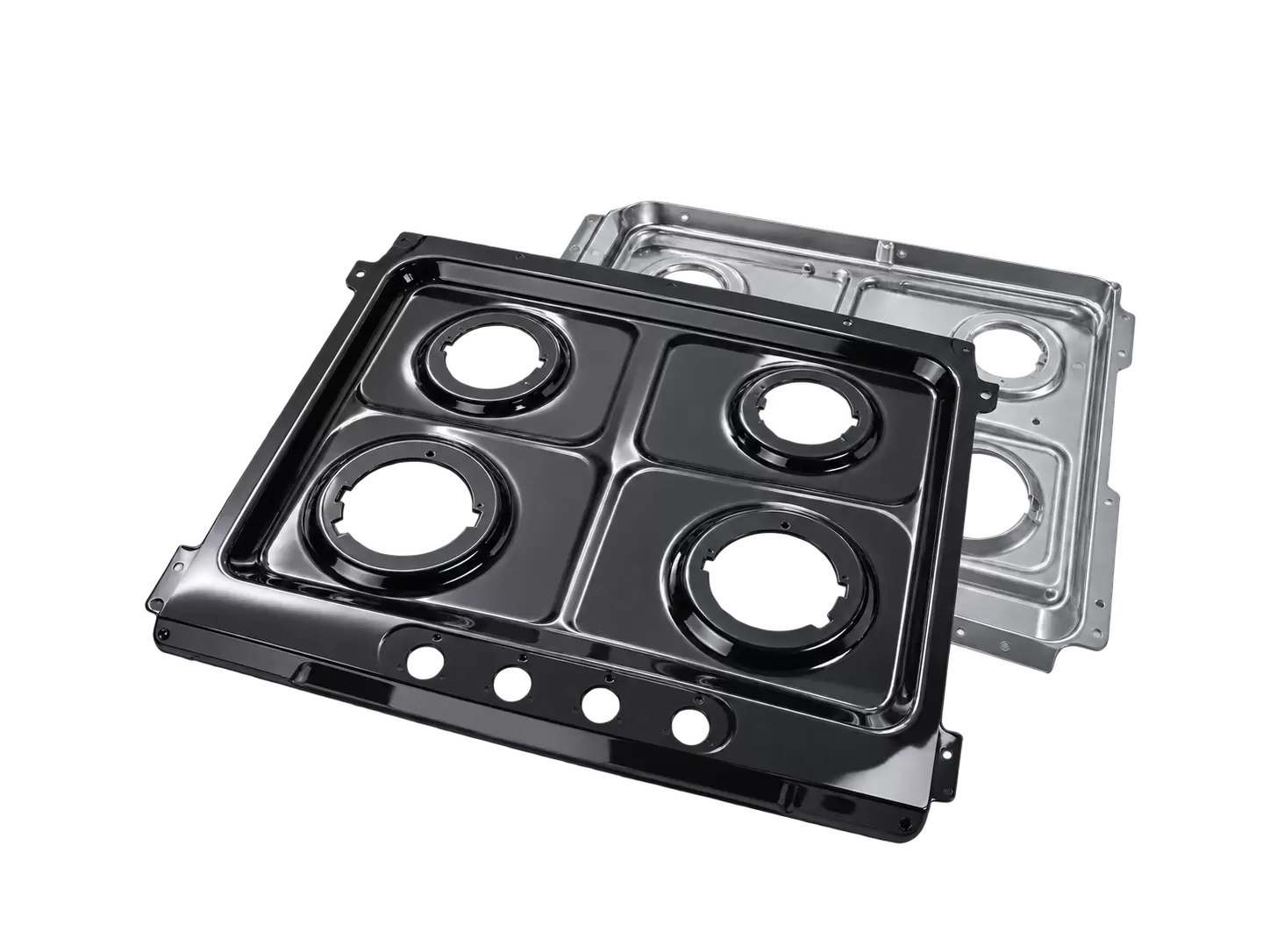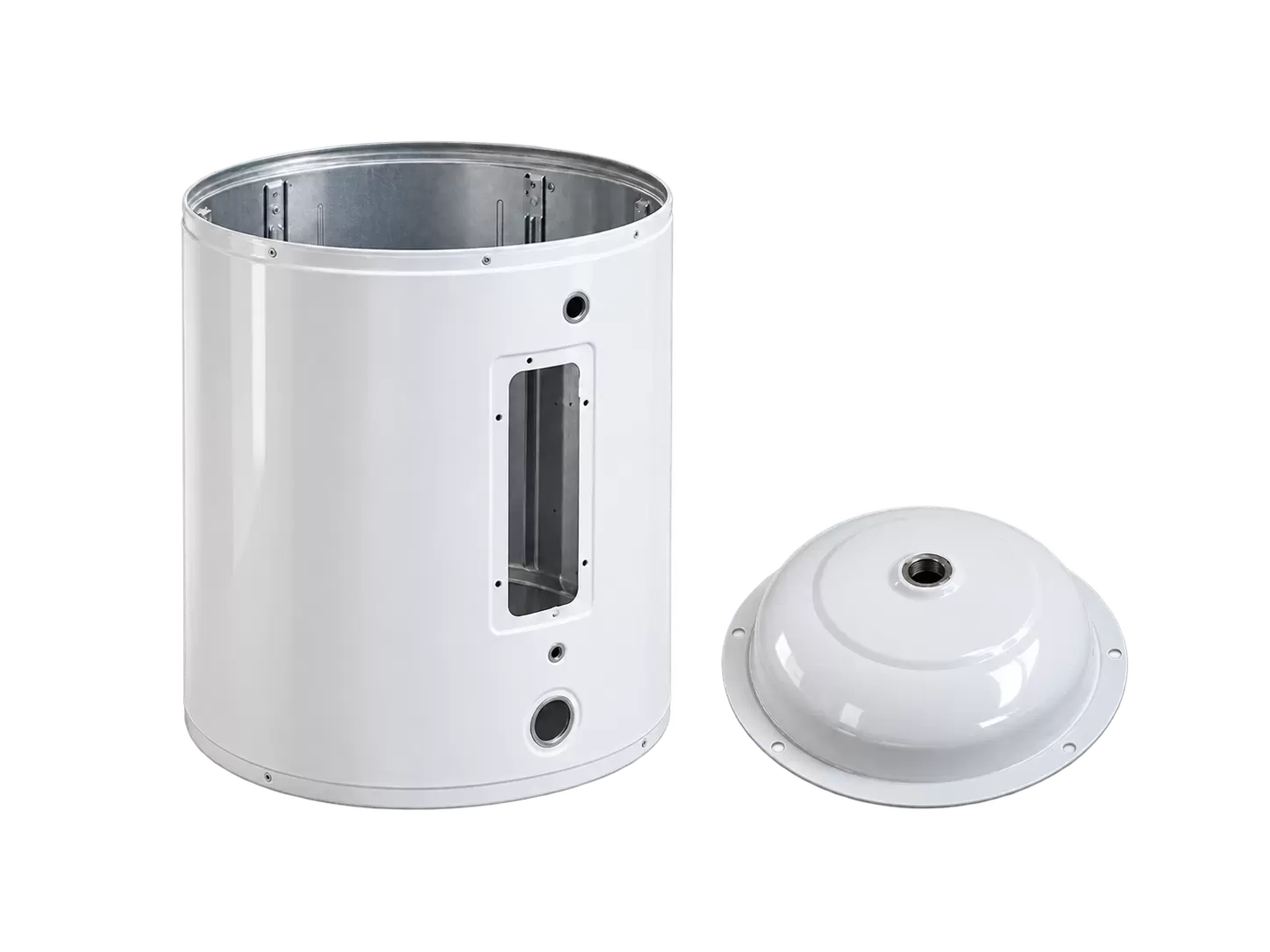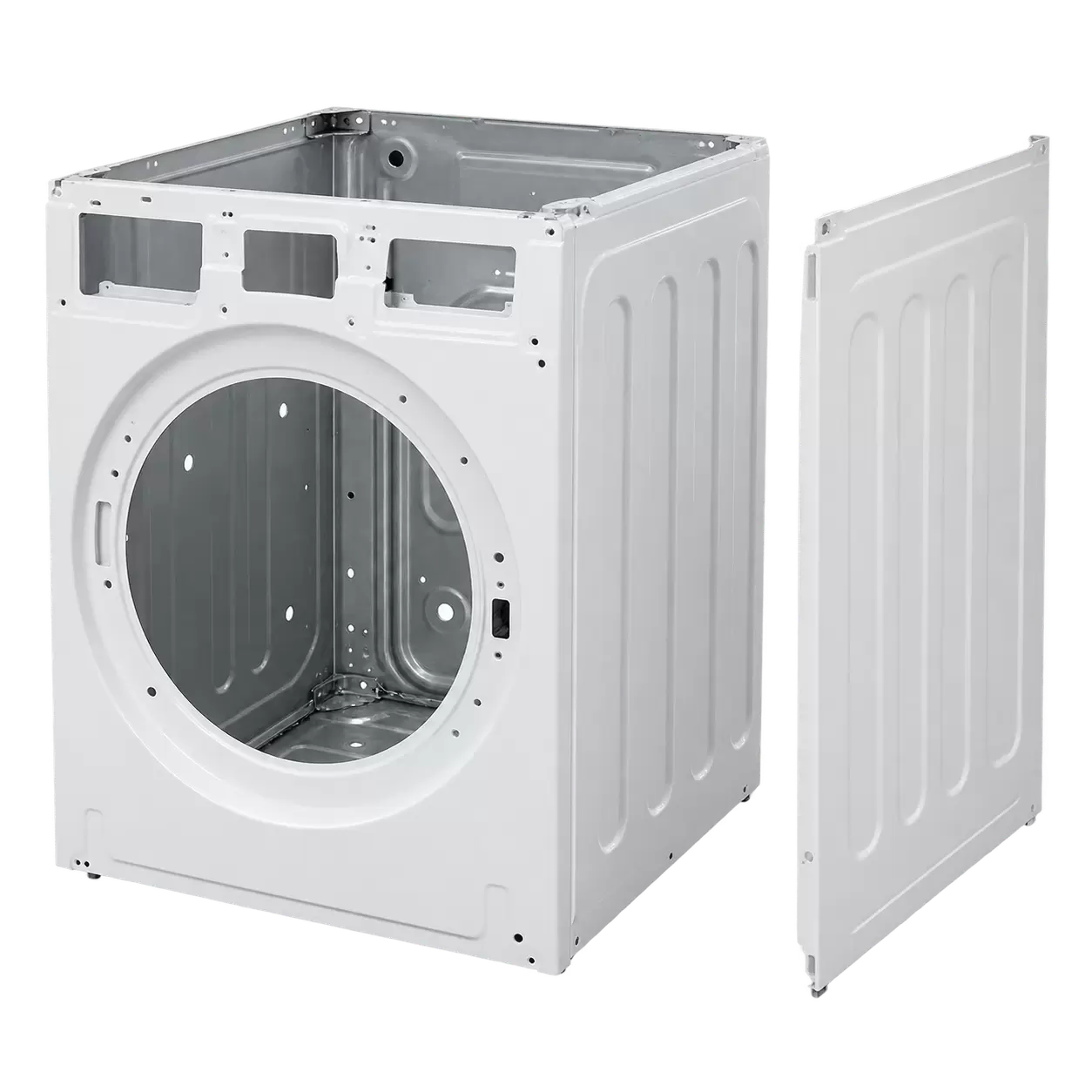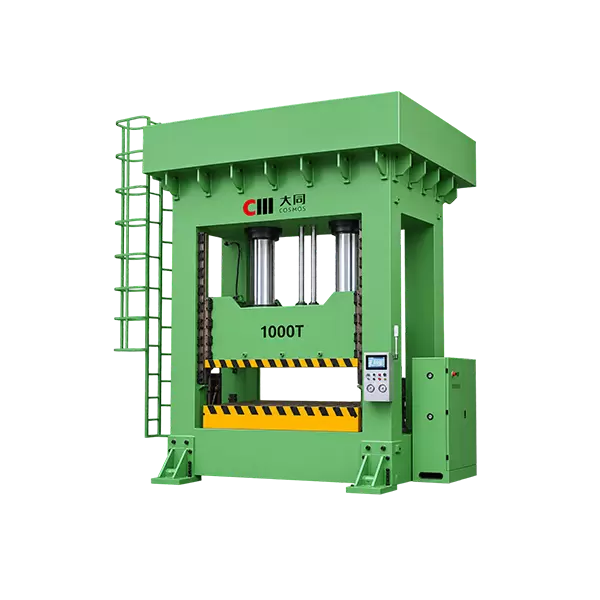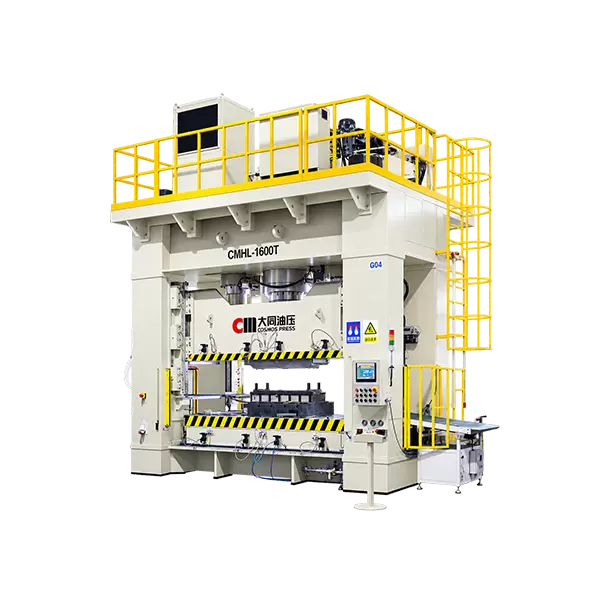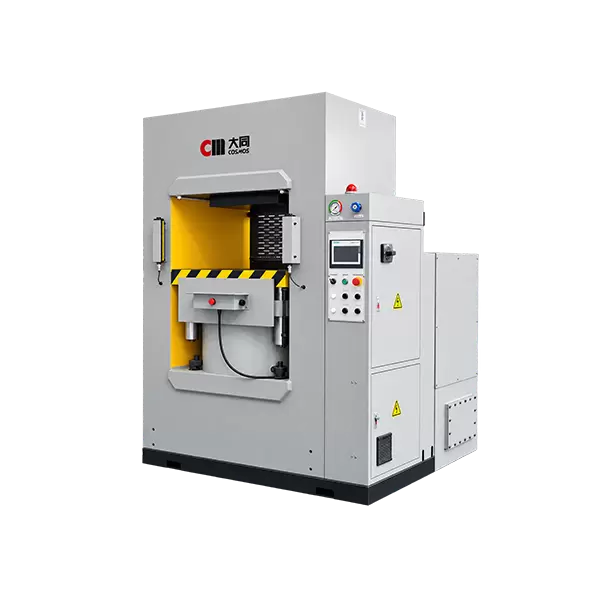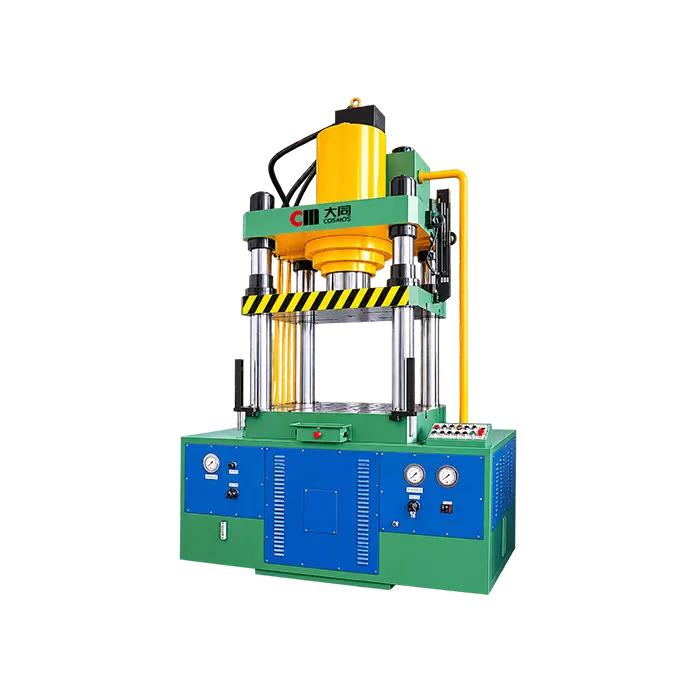

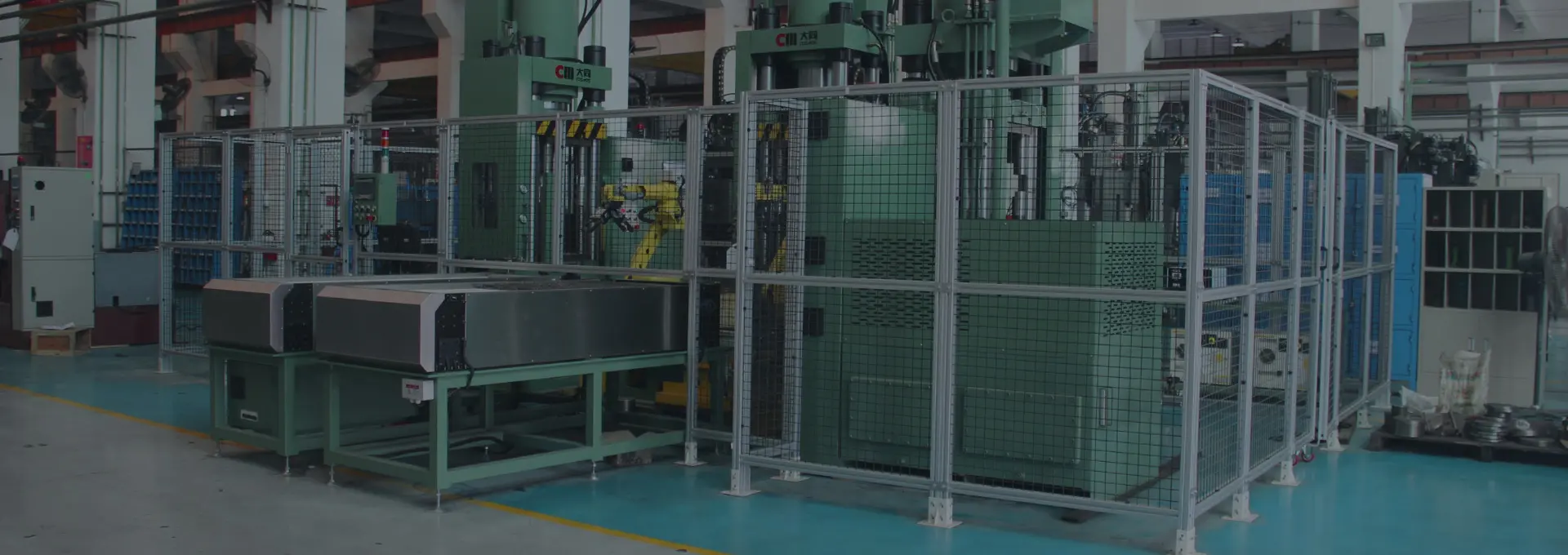
Large panels, deep housings and visible appliance surfaces can be difficult to form without distortion, wrinkles or surface damage. COSMOS PRESS configures hydraulic presses around the part size, material, tooling and assembly requirements, helping manufacturers produce appliance components with stable dimensions, clean surfaces and repeatable forming results.
Large liners, panels and housings can distort or spring back during forming. Controlled pressure and motion help maintain the required shape, flatness and edge geometry.
Many appliance parts become visible interior or exterior surfaces. Smooth press motion and suitable tooling help reduce marks, waviness and unnecessary surface damage during forming.
Liners, cavities and shells require material to flow into deep corners without excessive thinning or wrinkling. Where required, controlled blank holding and forming motion help manage the draw more consistently.
An appliance part must fit adjoining frames, doors, insulation, seals and other components. Repeatable position and stroke control help keep flanges, openings and formed heights consistent across production batches.
Appliance components and their tooling can take up considerable working space. Working area, daylight, stroke and loading access are configured around the actual tooling and part-handling needs—not simply by press tonnage.
An appliance component is not finished when it only reaches the right shape. It also needs to fit adjoining parts, maintain an acceptable visible surface and remain consistent across long production runs. Material thickness, part size, draw depth, corner radius, flange geometry and handling method can all affect the final result. Before selecting the hydraulic press, COSMOS PRESS reviews the part drawing, material, tooling, surface requirements and assembly conditions. We then define the press structure, force, stroke, working area, motion control and blank-holding requirements around the actual part.
· Available with an integral or split-frame structure to accommodate different machine sizes and installation requirements.
· Four-corner, eight-face guiding provides rigid support and stable movement under demanding forming loads.
· Servo hydraulic control supports repeatable motion, lower operating noise and improved energy efficiency.

· The FEA-optimized welded frame and eight-face guide system provide rigid structural support and stable slide movement.
· Strong resistance to lateral forces helps reduce deformation during asymmetric or off-center forming.
· Double-action servo hydraulic control supports coordinated forming and blank-holding operations.

· A welded steel-plate frame provides the rigidity required for stable forming operations.
· Pressing pressure, moving-bolster stroke and holding time can be adjusted according to the process.
· Selected models can be equipped with upward, downward or combined ejection configurations.

· Independent main and blank-holding actions support drawing and forming processes involving different force and motion requirements.
· The four-column layout provides an open working area suitable for tooling access and automation integration.
· Adjustable process parameters support the forming of different component shapes and materials.