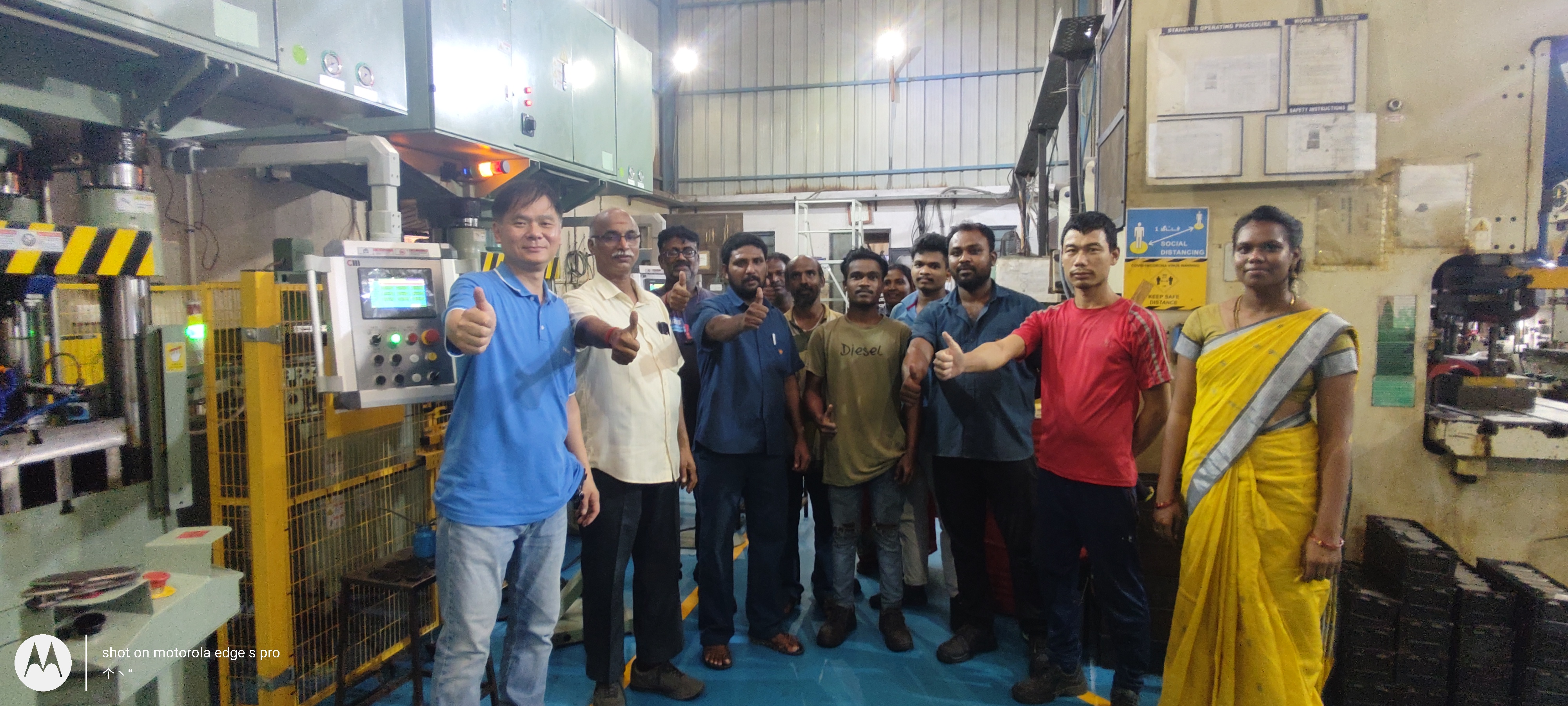
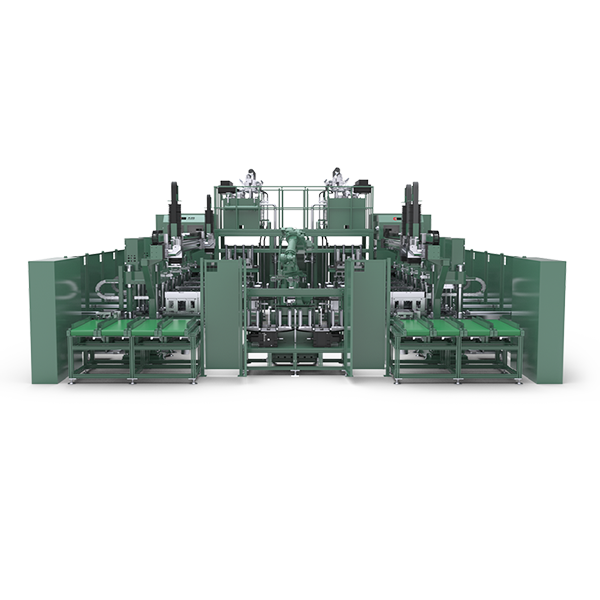
The customer previously relied on mechanical presses to produce brake pad backing plates. This process required substantial manual work. Since the policy of local Government, recruitment of local workers became difficult, customer began looking for a less labor-dependent production setup.
Quality was equally important. The customer wanted to improve backing plate production for original equipment (OE) applications. It learned that leading China backing plate manufacturers were using COSMOS hydraulic presses. The option of operating an automated line with one person encouraged it to explore the solution.
Core Advantages
Control what defines the part
Different automotive parts depend on different process variables. For brake pad production, selected COSMOS PRESS lines achieve pressure control within ±1.5 bar and temperature control within ±5°C, helping maintain stable curing conditions from cycle to cycle.
Built around the part and process
Brake pads, backing plates and cold-extruded shafts require different hydraulic press behavior. Force, stroke, speed, tooling and working area are configured around the actual forming process rather than simply selected by press tonnage.
From press cycle to production flow
We can integrate weighing, feeding, transfer, hot pressing, mold cleaning and part handling into one production flow. In automated brake pad production, one operator can manage up to eight presses, reducing manual handling between processes.
Repeatable forming for batch production
Stable hydraulic motion and position control help reduce variation during long production runs. Our backing plate solution achieves positioning repeatability of ±0.02 mm, supporting consistent forming across batches.
Flexible multi-model production
Recipe-based control makes it easier to run different part numbers on the same production line. A brake pad production solution can support two recipes and up to eight models in parallel, improving flexibility for mixed-model production.
MAIN APPLICATION SCENARIOS
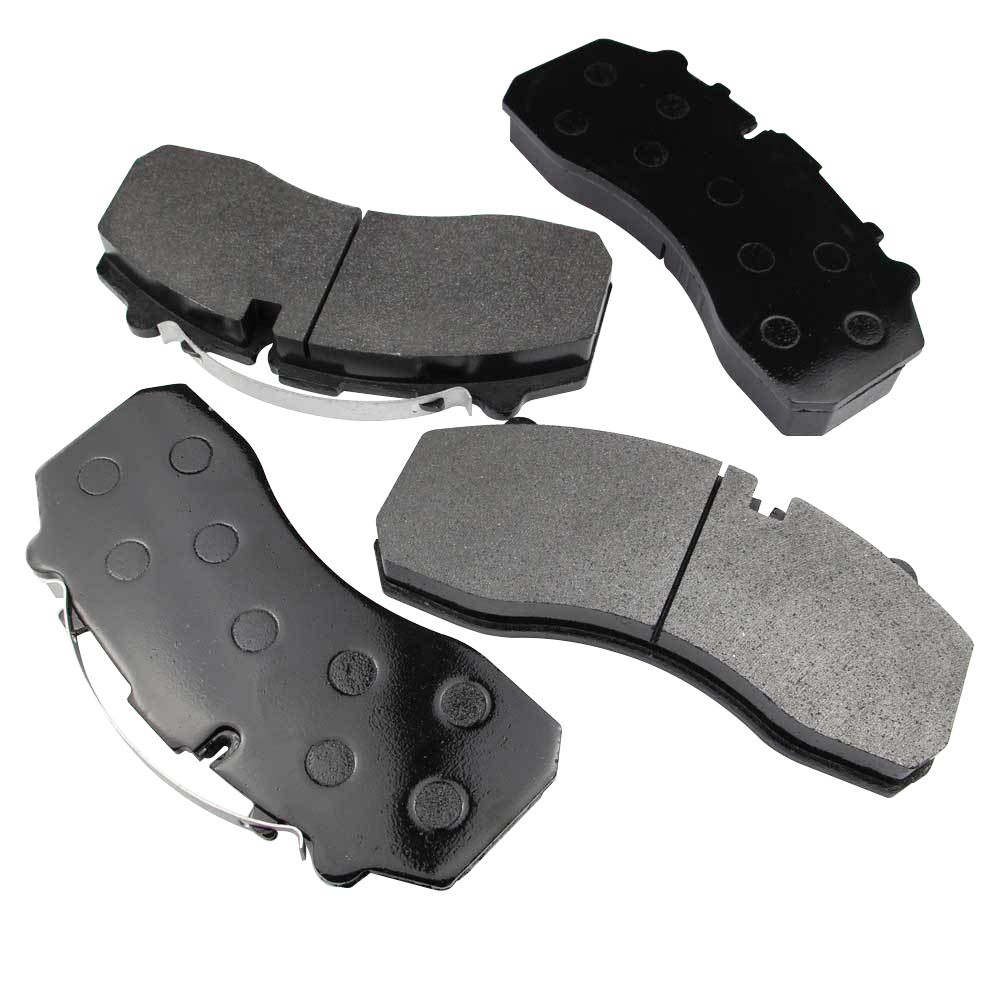
Brake pads
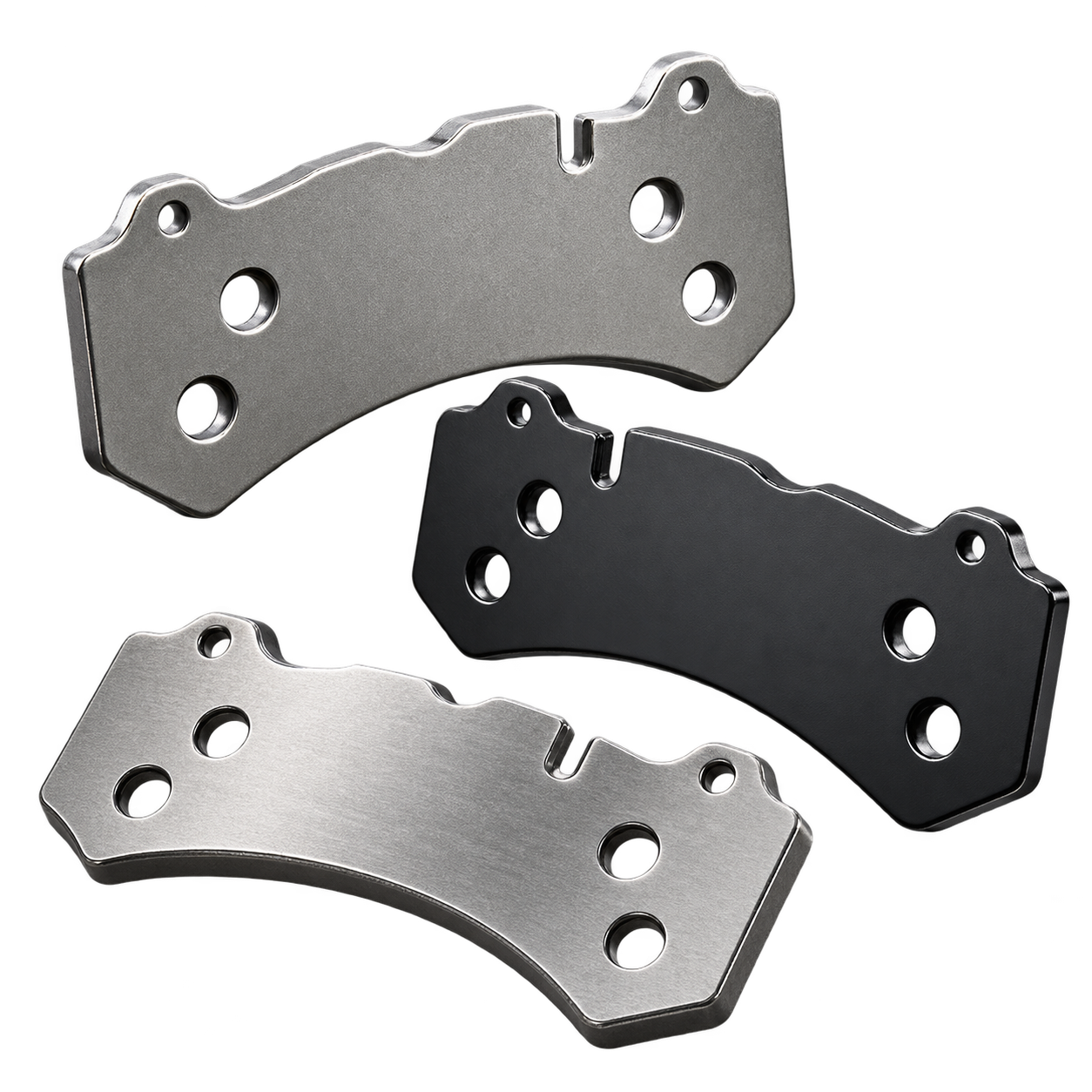
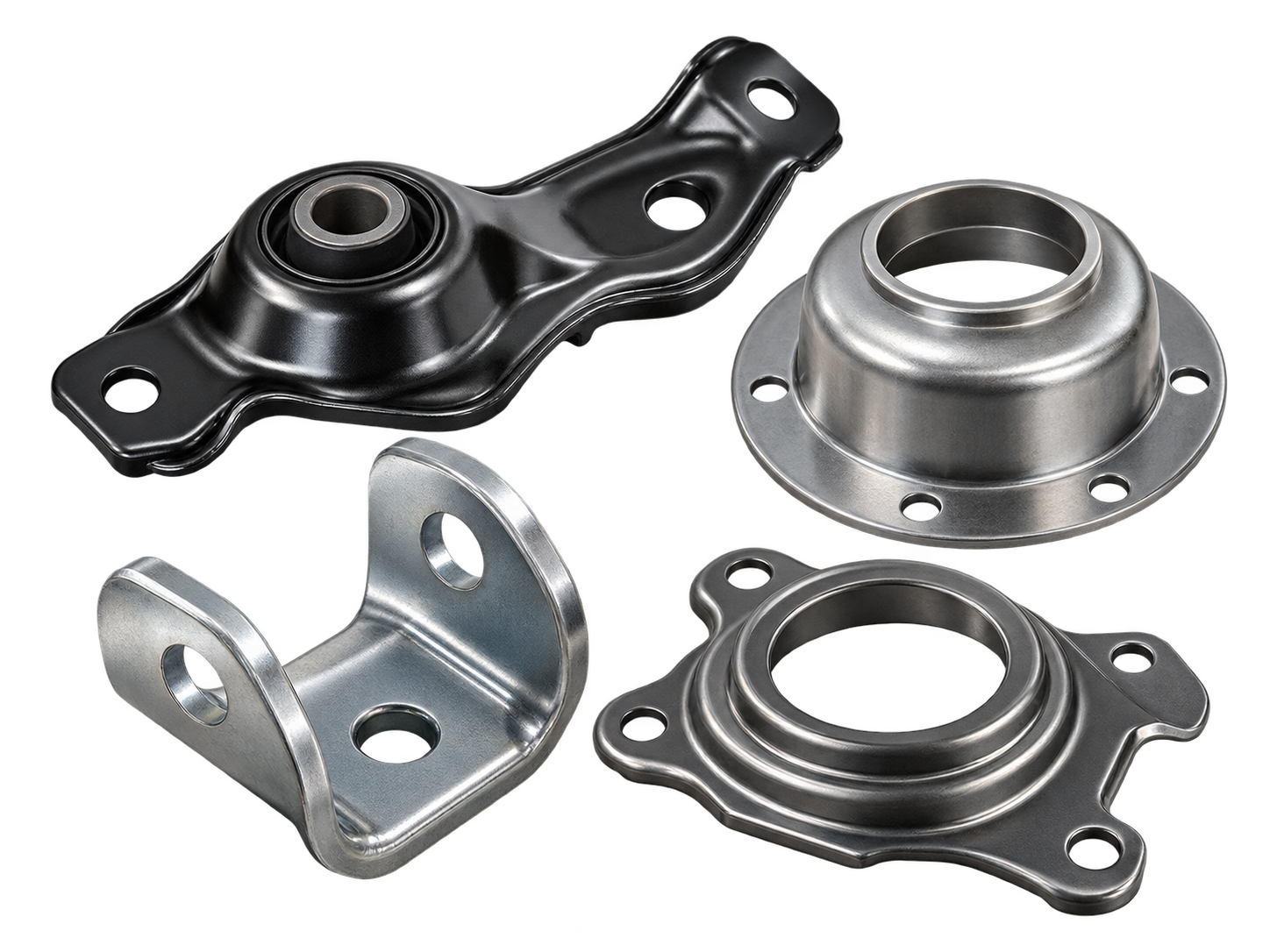
Brake pad backing plate
Seat pillow support
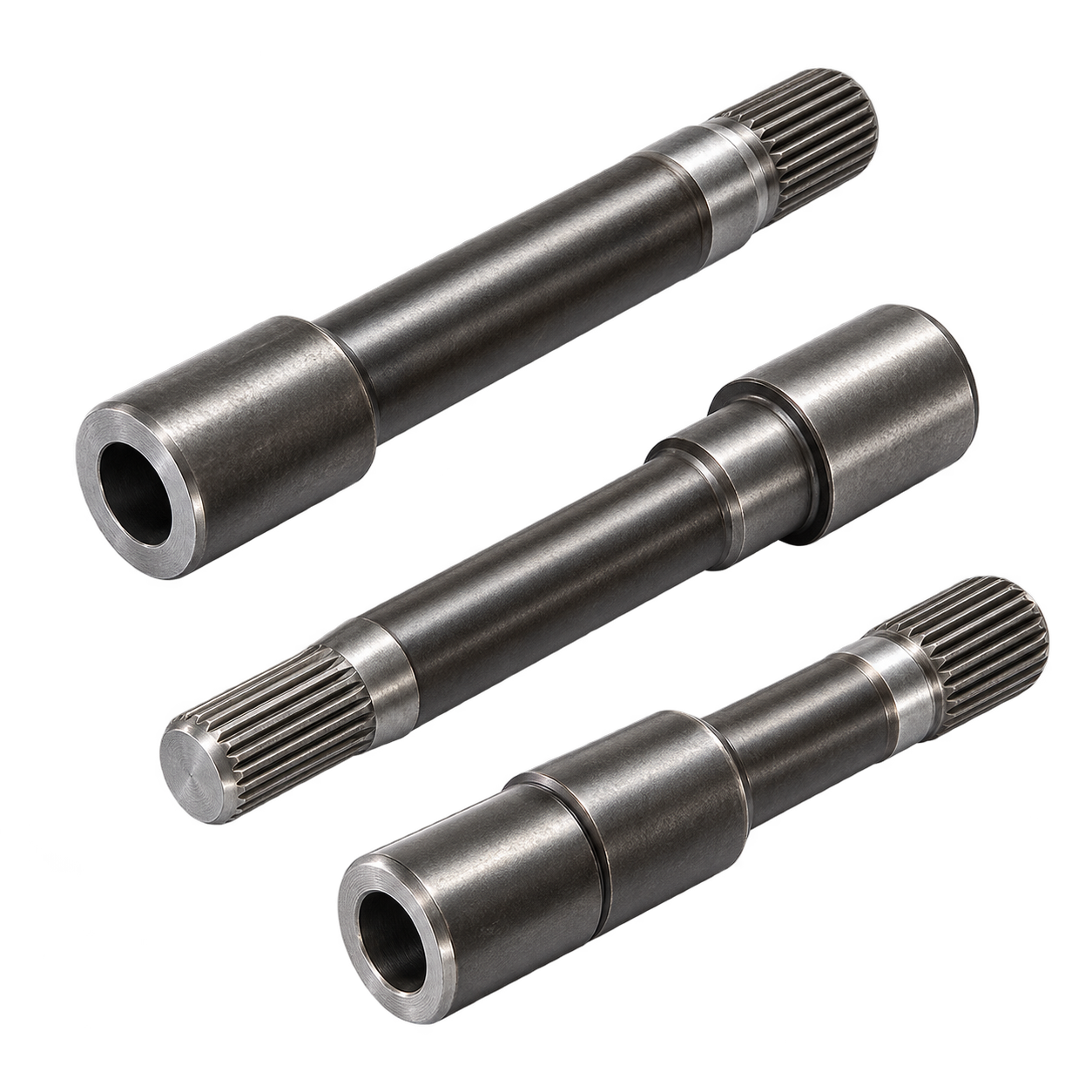
Cold-extruded shaft
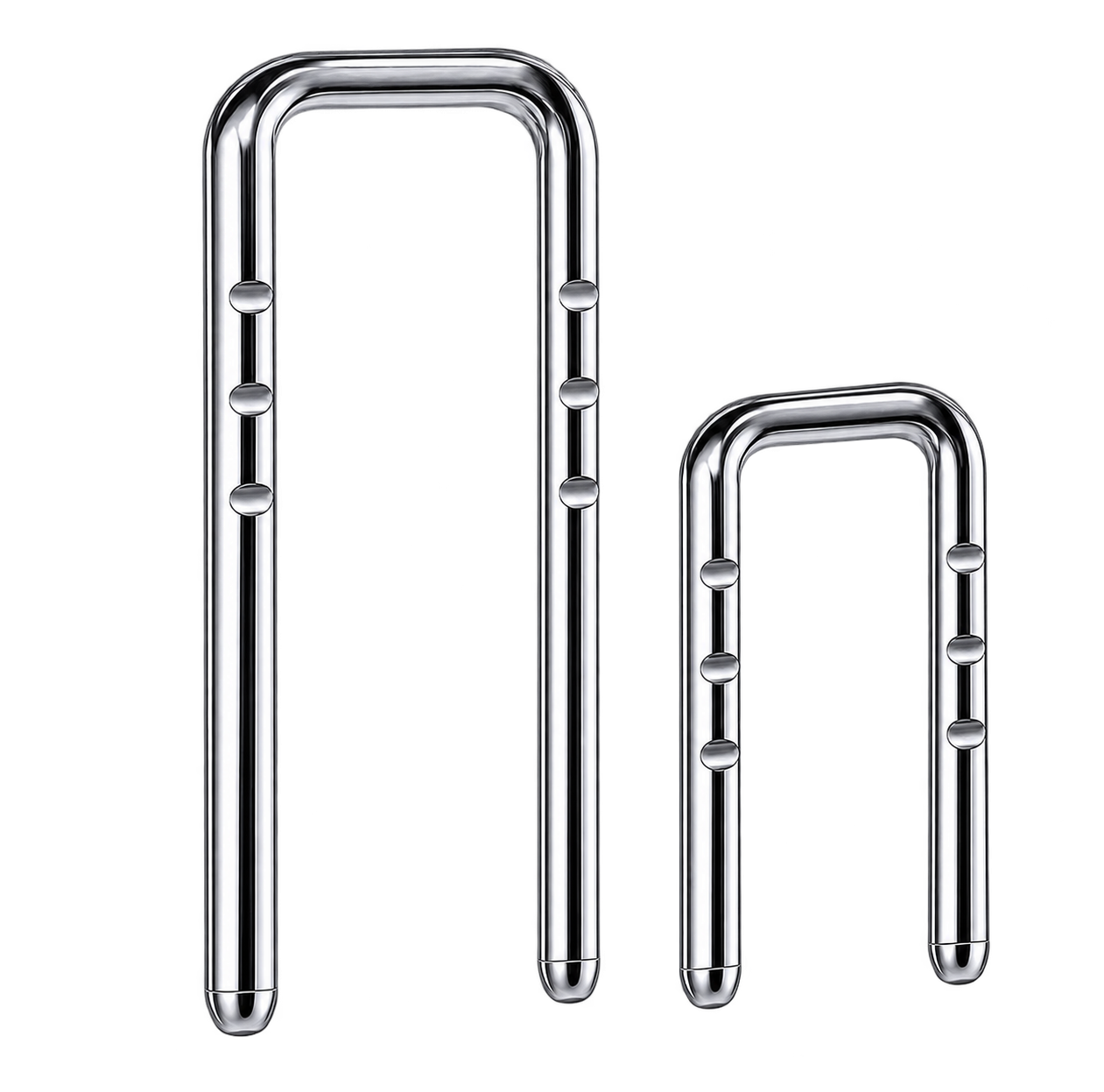
Other automotive parts
Project Challenges
50+ mechanical presses, less than 30 production workers
The factory had more than 50 mechanical presses, but less than 30 production workers. Even general production roles were difficult to fill. There were machines available, but not enough people to run them.
Shaving edge quality fell short of OE requirements
Backing plates made with the existing process did not meet the customer’s shaving edge requirements for OE standard. Improving the shaving edge was therefore a key part of the upgrade.
The customer needed a solution that addressed both problems together. It had to reduce manual work while maintaining the required production rate and shaving edge quality.
The Solution
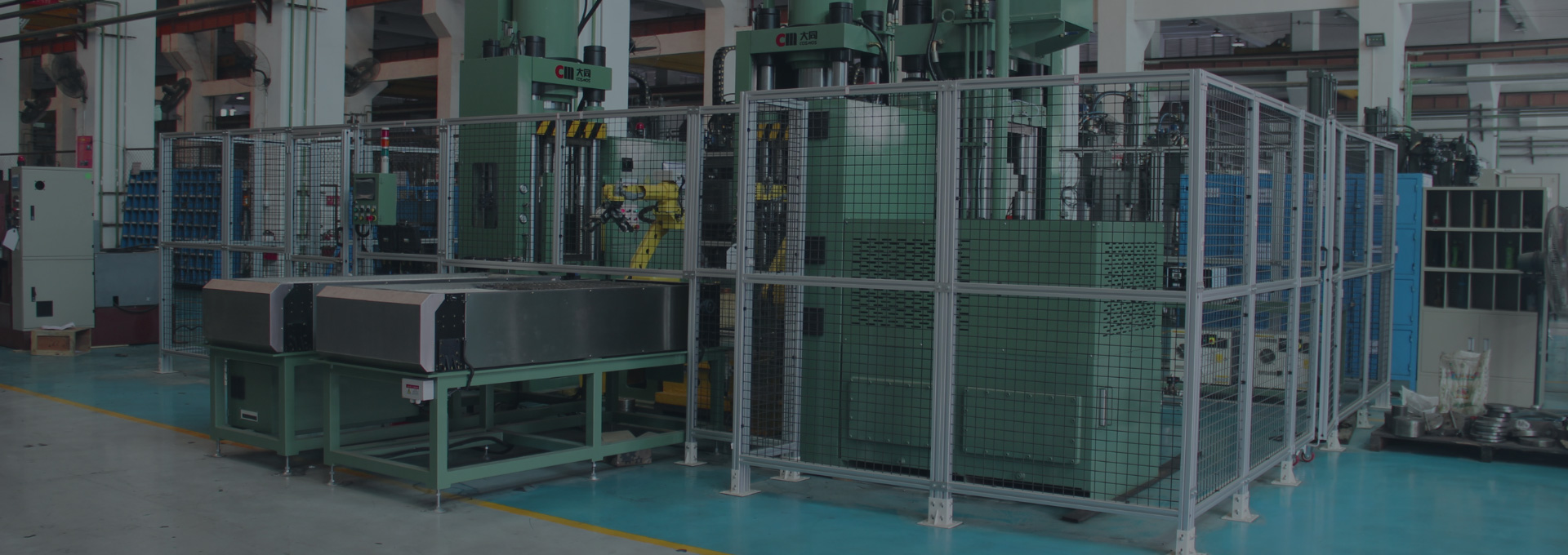
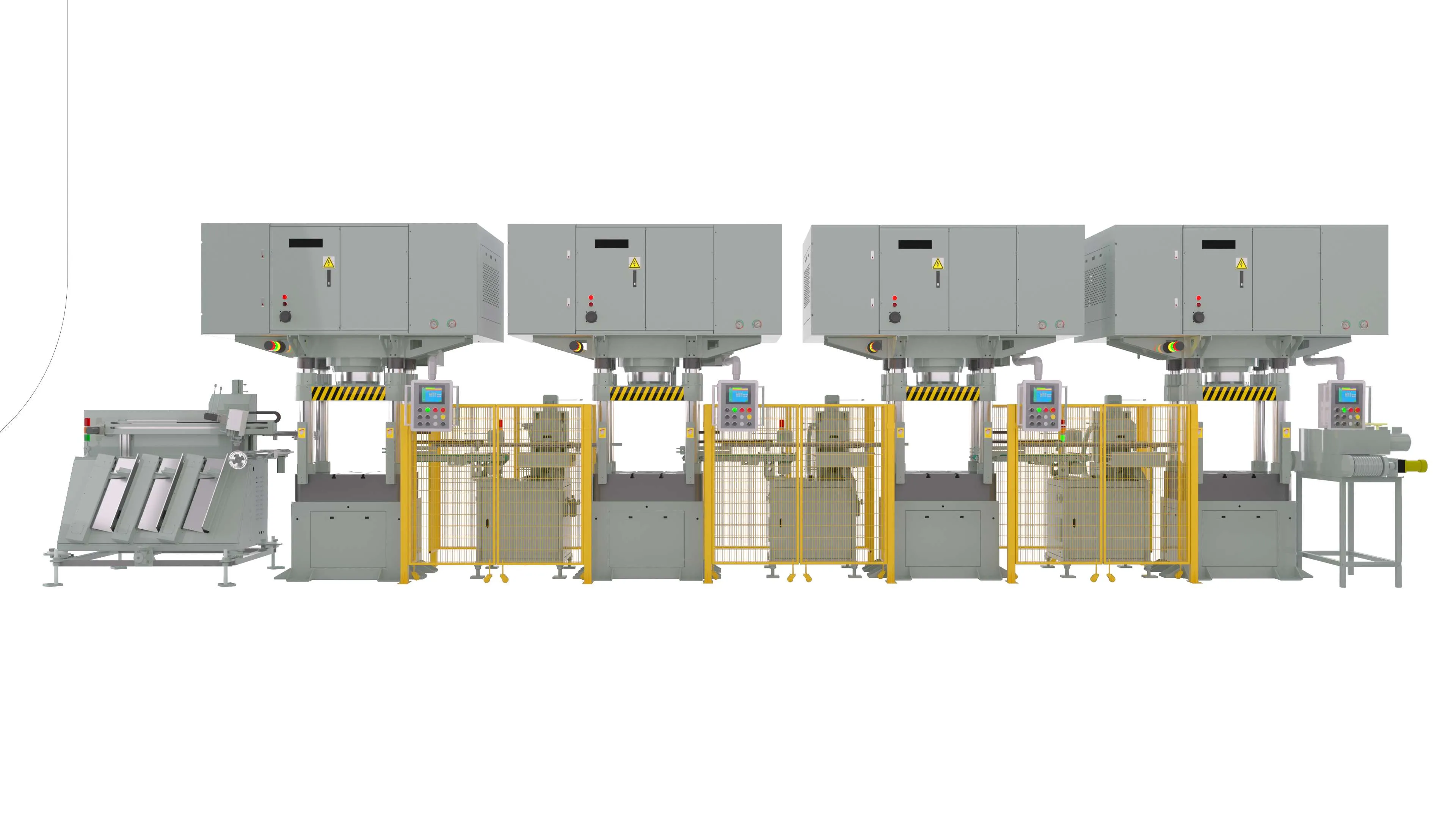
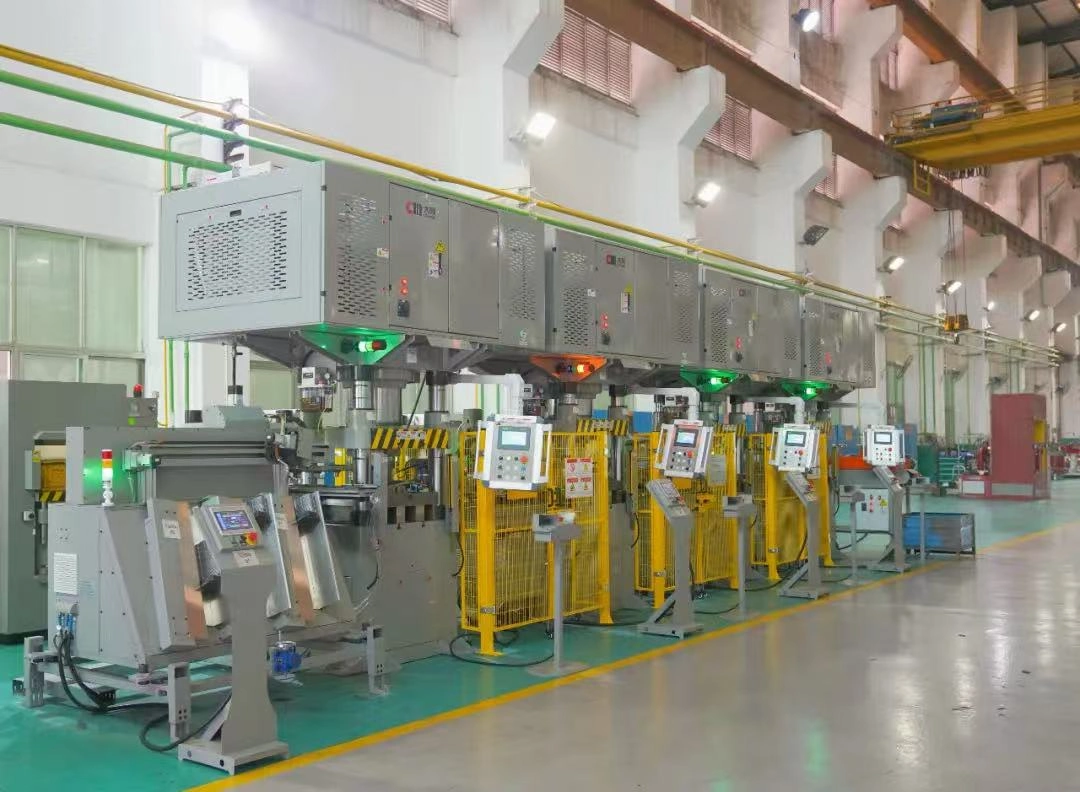
DEKUMA supplied an automated hydraulic press line for brake pad backing plates. The solution combined automated handling, coordinated press movements and production support.
Automated handling connects the pressing stages
Automated handling moves the backing plates between pressing stages. This reduces manual transfer between machines. One operator can run the complete line.
5 pressure settings coordinate the pressing process
The pressing process coordinates the ram and bottom cylinders. Five pressure settings work with the tooling to control the operation. Together, they help achieve a shaving edge ratio above 90% on the backing plate edge.
Remote support helps resolve issues without an on-site visit
The customer valued DEKUMA’s industry experience and equipment stability. The team also provided production guidance and technical documentation. Remote support helped resolve many issues without sending a service engineer to the site.
Results and Value
1 operator runs a complete line
The automated setup reduces dependence on manual handling. With one operator assigned to each line, the customer can organize production with a smaller operating team.
A shaving edge ratio above 90%
The customer reports a shaving edge ratio above 90%. This improves the cut-edge quality of its backing plates.
11–12 pieces per minute, 10,000+ per day across two shifts
The line produces 11–12 backing plates per minute. The customer put the daily output simply:
"One line produces over 10,000 pieces a day across two shifts."
From 1 line to 6 through repeat orders
The first line was introduced in 2024. The customer then placed further orders. Another line was delivered in August 2026, bringing the total to six.
Less manual work with lasting value in daily production
For this manufacturer, the value of automation is practical: one operator can run a complete line, and each line produces over 10,000 backing plates across two shifts. Keeping those gains over time depends on reliable equipment, stable operation and technical support when needed.
This is how DEKUMA's commitment to replacing manual operations takes shape on the factory floor. Alongside replacing imported equipment, it is a key part of the company's product development strategy. The goal is to reduce dependence on manual work through reliable, easy-to-use equipment and help customers maintain output and quality in everyday production.
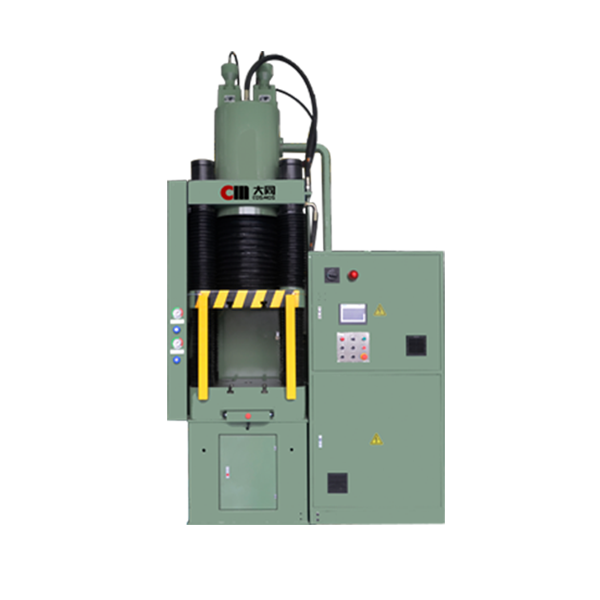
CMLJ Series Four-Column Cold Extrusion Servo Hydraulic Press
· Suitable for cold forging, warm forging, metal extrusion, embossing, shallow drawing and blanking.
· Repeatability of ±0.01 mm helps reduce variation and material waste caused by press positioning errors.
· The servo-driven hydraulic system can reduce energy consumption by 20–50% compared with conventional hydraulic presses.
 EN
 EN
 CN